

Your Shopping Cart
-

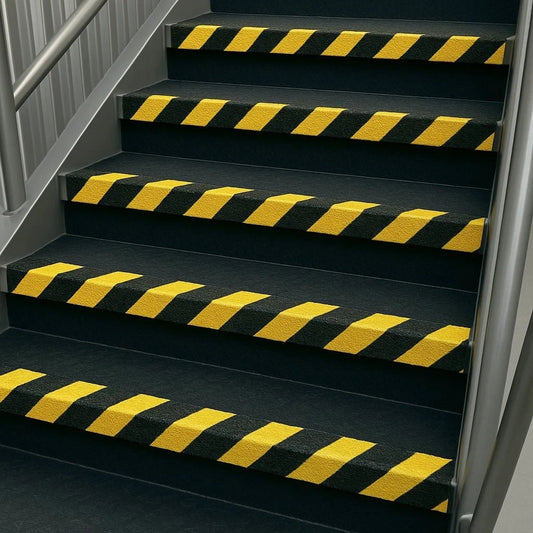
Heavy Duty GRP Stair Nosing Non-Slip Safety Tread for High Traffic Areas Hazard
GRP stair nosing Non-slip safety tread 55mm wide stair edging Hazard black/yellow finish Heavy-duty GRP stair nosing for high traffic areas and step-edge protection Heavy-Duty GRP Stair Nosing for High Traffic Areas This GRP stair nosing is designed as a heavy-duty stair-edge solution for areas where frequent foot traffic requires a durable non-slip safety tread. The GRP construction provides the main profile, while the hazard...Regular price £22.48Regular priceUnit price per -

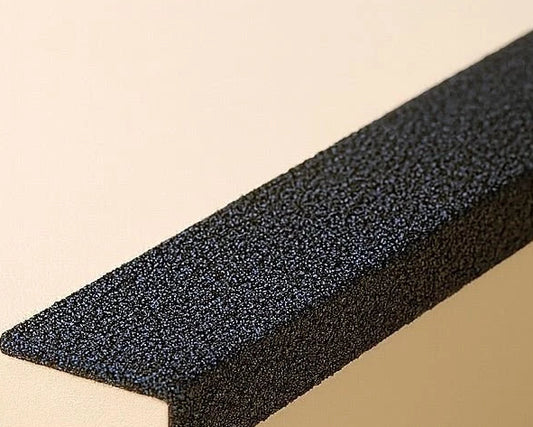
Black GRP Stair Nosings Heavy-Duty Anti-Slip Safety Tread Step Edge Protection
GRP stair nosing Black anti-slip tread Heavy-duty step edge Safety tread for stair edge protection Heavy-duty GRP stair nosing for added grip and protection on suitable stair and step edges Heavy-Duty Black GRP Stair Nosing This black GRP stair nosing is designed as a heavy-duty solution for stair and step edges where an anti-slip safety tread is required. The GRP construction provides the main structure...Regular price £17.48Regular priceUnit price per -

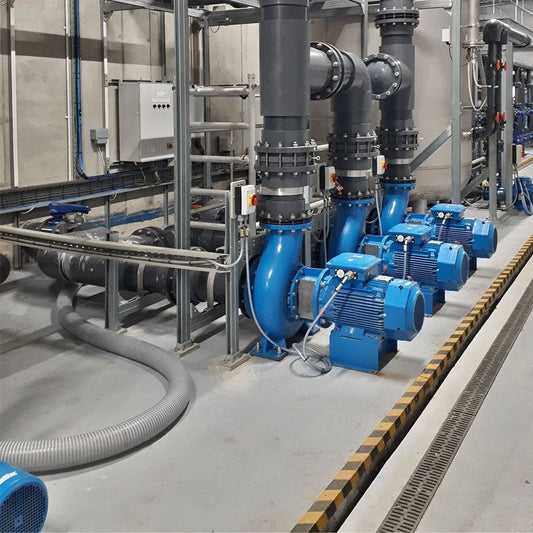
Hazard GRP Stair Nosings Heavy-Duty Anti-Slip Safety Tread Step Edge Protection
GRP stair nosing Heavy-duty step edge Anti-slip safety tread Durable GRP step edge protection Heavy-duty anti-slip stair nosing for added safety and protection on suitable stair and step edges Heavy-Duty GRP Stair Nosing for Step Protection This GRP stair nosing is designed as a heavy-duty solution for stair and step edges where anti-slip tread protection is required. The product combines GRP construction with an anti-slip...Regular price £19.98Regular priceUnit price per -

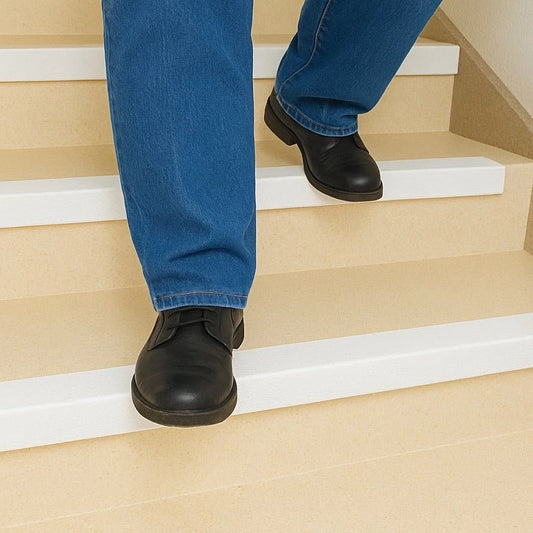
GRP Stair Tread Nosings - Non-Slip Step Edge Heavy-Duty step protection - White
GRP stair tread nosing Non-slip step edge 55mm wide and 55mm high Embossed GRP surface for added tread grip Rust and water-resistant stair nosing for durable step protection GRP Stair Nosing for Heavy-Duty Step Protection This GRP stair tread nosing is designed to provide a practical protective edge for suitable stairs and steps. Made from GRP, the profile combines a non-slip surface with a substantial...Regular price £21.25Regular priceUnit price per -

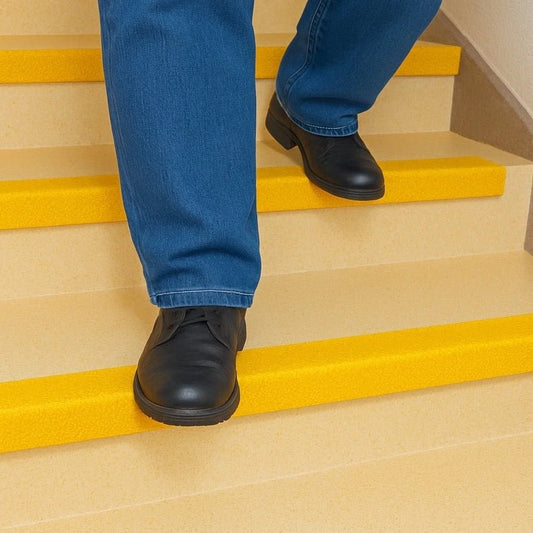
Anti Slip Stair Nosing Treads GRP Heavy Duty for High Traffic Areas (500mm -3m)
GRP stair nosing Anti-slip tread edge 55mm wide and 55mm high Hard-wearing rough GRP surface for regular foot traffic Rust-resistant, water-resistant and weather-resistant stair nosing available in lengths from 500mm to 3m for suitable indoor and outdoor applications Heavy-Duty GRP Stair Nosing for High Traffic Areas This GRP stair nosing is designed for staircases and steps where frequent foot traffic requires a durable tread-edge solution....Regular price £32.48Regular priceUnit price per -

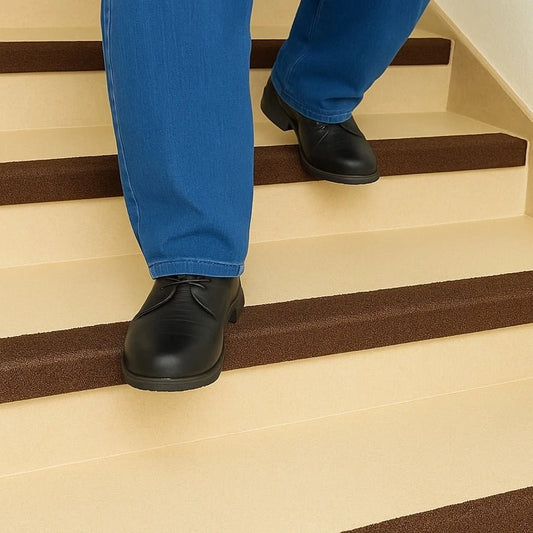
GRP Stair Nosing Anti-Slip Step Edge Tread Cover – Non-Slip -Brown 500mm -3m
GRP stair nosing with an anti-slip surface Brown finish for a practical, understated stair edge 55mm profile provides coverage across the step edge Rust-resistant and water-resistant GRP construction for demanding areas Available for stair edges where added slip resistance and durable step protection are required GRP Stair Nosing for Safer Step Edges This GRP stair nosing is designed to cover and protect the front edge...Regular price £21.25Regular priceUnit price per -


GRP Stair Tread Nosings Heavy-Duty Non-Slip Step Edge Protection - BROWN 55x55mm
GRP Construction Brown Non-Slip Surface Heavy-Duty Stair Profile 55 x 55mm Step Edge Protection Robust GRP Nosings for Frequently Used Stairways Heavy-Duty Protection for Stair Tread Edges The leading edge of a staircase is exposed to repeated foot contact, impact and everyday wear. On frequently used stairs, this area can gradually become damaged or worn, making suitable edge protection an important part of maintaining the...Regular price £22.38Regular priceUnit price per -

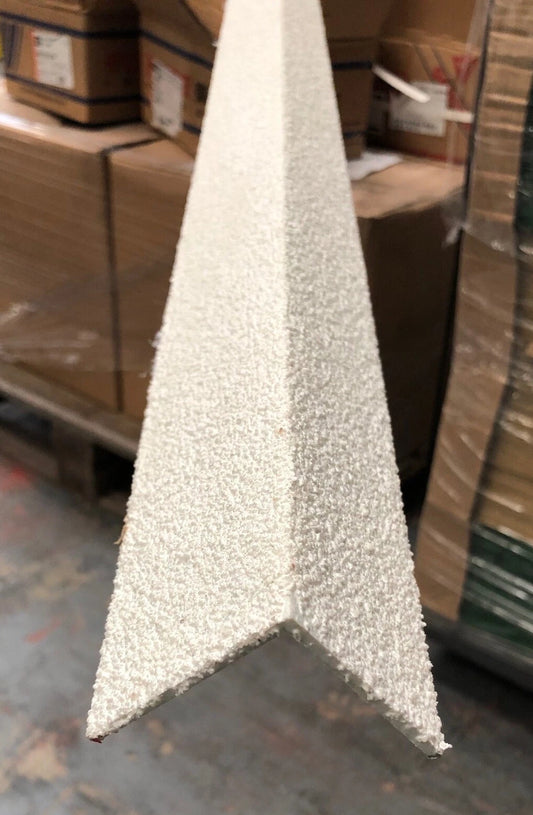
STAIR TREAD NOSING - 55mm X 55mm WHITE ANTI-SLIP HARD WEARING GRP
GRP Construction White Anti-Slip Surface Hard-Wearing Profile 55 x 55mm Stair Edge Protection Fibreglass GRP Nosing for Frequently Used Stairways Hard-Wearing Protection for Stair Edges Stair edges experience repeated foot traffic every day, making the front edge of each step particularly vulnerable to general wear and impact. A suitable stair tread nosing helps protect this exposed area while providing a practical finishing profile for the...Regular price £8.57Regular priceUnit price per -

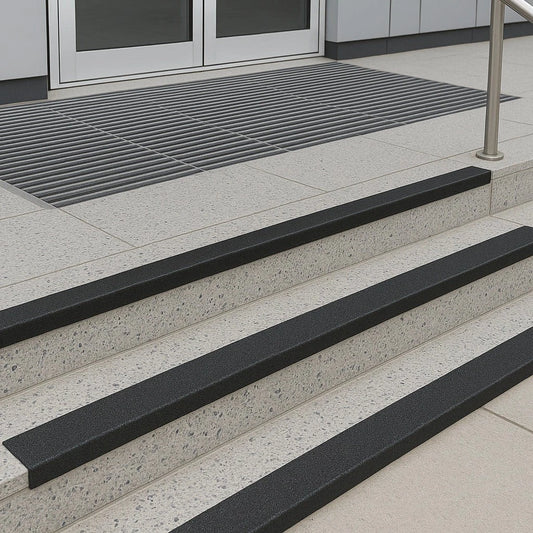
GRP Stair Tread Nosing Heavy-Duty Anti Slip Step Edge Protection - Black 55x55mm
GRP Construction Anti-Slip Surface Water Resistant Profile 55 x 55mm Heavy-Duty Step Edge Rust-Resistant Protection for Frequently Used Stair Edges Heavy-Duty Protection for Exposed Stair Edges Stair edges experience repeated foot traffic every day, making the front of each step one of the most vulnerable areas to wear and impact. A suitable stair tread nosing helps protect this exposed section while creating a more practical...Regular price £21.25Regular priceUnit price per -

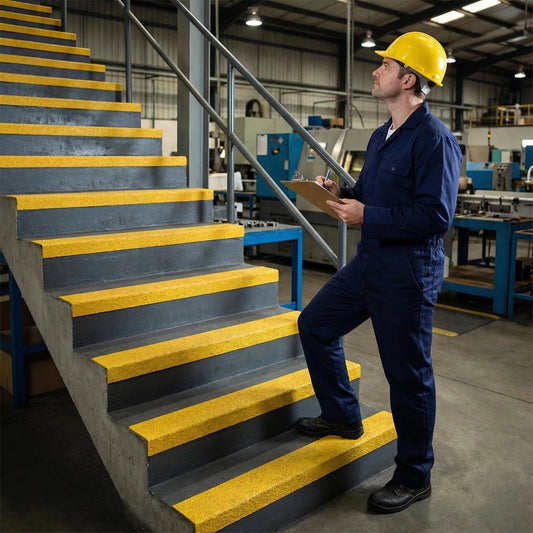
Heavy Duty GRP Stair Nosing 55mm x 55mm Anti Slip Yellow Hazard Free Shipping
• Heavy Duty GRP Stair Nosing• 55mm x 55mm Profile• Gritted Anti-Slip Surface• Lightweight Rust-Resistant Construction• High-Visibility Yellow GRP Stair Edge Protection for Demanding Commercial and Industrial Access Areas Heavy-Duty Protection for Exposed Stair Edges Stair edges in commercial and industrial environments can experience constant pedestrian traffic, making a durable and highly visible nosing an important consideration. This heavy-duty GRP stair nosing provides a 55mm...Regular price £22.38Regular priceUnit price per -

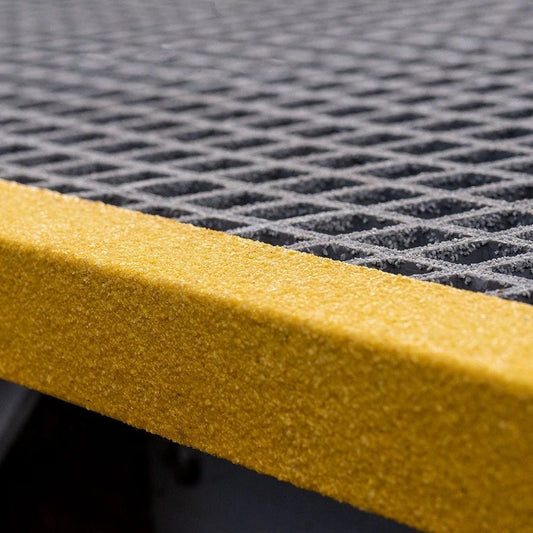
Yellow GRP Stair Nosings Heavy-Duty Anti-Slip Safety Tread Step Edge Protection
• Yellow GRP• Anti-Slip Tread• Water Resistant Stair Protection• Rust Resistant Construction for Demanding Areas• Heavy-Duty Step Edge Protection with High-Visibility Yellow Finish for Safer Access Routes High-Visibility Protection for Stair Edges Stair edges receive repeated contact every day, making them particularly important areas for maintaining grip and clear step definition. These yellow GRP stair nosings provide a practical anti-slip tread along the leading edge...Regular price £17.48Regular priceUnit price per -

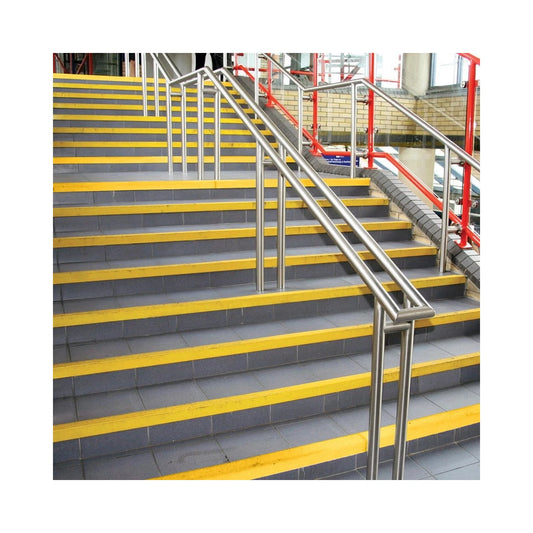
Stair Nosing GRP Anti-Slip Black/Yellow 0.75m x 55mm x 55mm DDA Compliant Safety
GRP Anti-Slip Surface Black and Yellow Finish 0.75m Stair Nosing Length 55mm x 55mm Profile for Clear Stair-Edge Coverage High-Grip, High-Visibility Nosing for Indoor and Outdoor Steps High-Visibility Protection for Stair Edges This GRP anti-slip stair nosing is designed to provide a clearly visible and high-grip finish along stair edges. Its black and yellow colour combination creates strong visual contrast, while the textured GRP surface...Regular price £76.93Regular priceUnit price per -

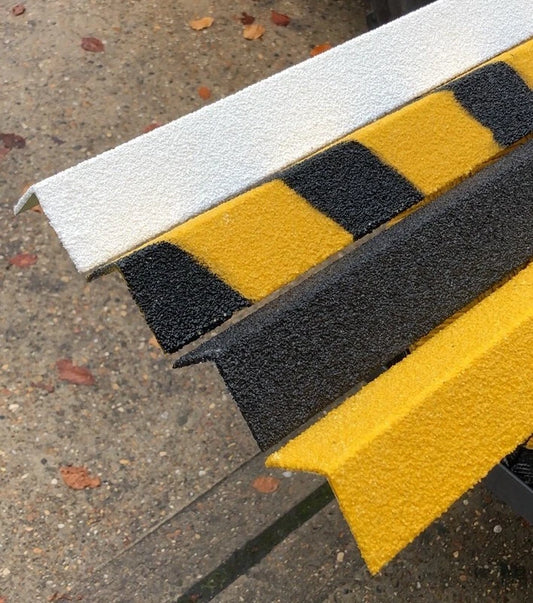
Stair tread nosings - Anti Slip - Hard Wearing Treadgrip Quartz Grit Coating
• Fibreglass stair nosing• Anti-slip tread edge• 55mm deep and high• Hard-wearing quartz grit coated surface• Available in 500mm, 600mm, 750mm and 1000mm widths for indoor and outdoor stair applications Hard-Wearing Stair Tread Protection These stair tread nosings provide a robust way to cover and protect the front edge of stair treads while adding a textured anti-slip surface. Constructed from fibreglass and finished with a...Regular price £8.58Regular priceUnit price per -

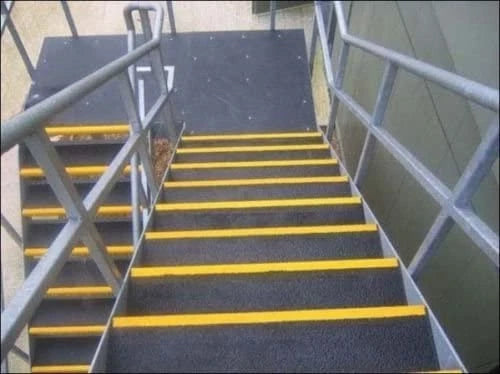
Antislip Stair Tread Covers - Hard Wearing Treadgrip Quartz Grit Coating
• Fibreglass stair tread covers• Black hard-wearing tread protection• 345mm wide stair tread covers• Quartz grit coated surface for demanding stair areas• Designed to provide a durable stair tread covering for indoor and outdoor applications where added surface grip and long-term wear resistance are important Durable Fibreglass Protection for Stair Treads These anti-slip stair tread covers are designed to provide a hard-wearing protective surface across...Regular price £34.50Regular priceUnit price per -

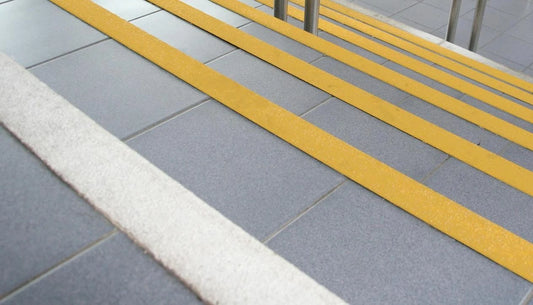
YELLOW STAIR NOSING 1M X 55mm - GRP070004N
• Yellow GRP stair nosing• 1m stair-edge profile• 55mm step-edge size• High-visibility yellow GRP construction for stair applications• Practical 1m stair nosing designed to provide a prominent yellow edge profile for suitable step and stair refurbishment projects Yellow GRP Stair Nosing for High-Visibility Step Edges This yellow GRP stair nosing provides a practical solution for stair projects where a clearly visible step-edge profile is required....Regular price £87.73Regular priceUnit price per


GRP Step Edge Profiles for Heavy-Duty Stair Protection
GRP stair nosing is designed for situations where the front edge of a step needs a durable, hard-wearing finish that can withstand demanding environments. Made from glass reinforced plastic, these profiles are commonly selected for stairs exposed to frequent use, moisture, dirt or challenging conditions where a strong edge solution is required.
The right GRP profile depends on the staircase construction, tread dimensions and installation environment. Before selecting a product, it is important to consider whether the nosing will be fitted to concrete, timber, metal or another prepared surface.
Why GRP Is Used for Demanding Stair Applications
Glass reinforced plastic combines a rigid structure with a durable surface, making it suitable for areas where ordinary decorative trims may not provide enough protection. GRP stair nosings are often considered for commercial and industrial settings because the material is designed to handle repeated foot traffic.
The main purpose of the profile is not only to cover the front edge of the stair but also to create a defined transition between the tread and riser. A correctly selected section can help protect vulnerable step edges while maintaining a consistent finish across multiple stairs.
When comparing different materials within the stair nosing by material range, GRP provides a different approach from aluminium or metal profiles, particularly where durability and surface performance are important considerations.
GRP Stair Treads and Nosing for Commercial Environments
GRP stair tread covers and nosings are frequently used in locations where stairs experience regular or heavy use. These can include workplaces, external access routes, service areas and commercial buildings where the staircase needs a robust edge treatment.
The suitability of a GRP stair tread cover depends on the condition of the existing step and the way the product will be installed. The surface should be stable, clean and suitable for the chosen fixing method before fitting begins.
For projects where the staircase requires a rigid metal alternative, aluminium stair nosing can provide a different finish and construction style. The correct choice depends on the environment, appearance requirements and the condition of the stairs rather than material preference alone.
Choosing the Right GRP Profile for the Stair Edge
Not every staircase has the same front edge design. Some steps have a square edge, while others may have worn corners, existing coverings or irregular surfaces that affect how the profile sits.
The profile dimensions should be checked against the tread depth, nosing projection and available fixing area. A suitable GRP stair nosing should sit securely across the step without leaving unsupported sections.
The surrounding flooring also influences selection. Concrete, metal, timber and coated surfaces may each require different preparation before installation. Understanding the staircase construction helps avoid choosing a profile that is durable but unsuitable for the actual application.
Non Slip Stair Nosing for Improved Step Definition
One of the reasons GRP profiles are selected is their ability to provide a clearly defined stair edge. In areas where visibility and step identification are important, the profile finish can contribute to a more noticeable transition at the front of each tread.
A non slip stair nosing should be chosen according to the expected environment and the level of use. External stairs, industrial areas and public access routes may have different requirements compared with indoor commercial staircases.
For installations where a softer material option is preferred, rubber stair nosing may be considered depending on the flooring system, application and required finish.
The important factor is selecting a product that matches the conditions of the staircase rather than choosing based only on surface appearance.
Installing GRP Stair Nosing Correctly
A durable material still requires correct installation to perform properly. The fixing method should match the substrate and the product specification.
Before fitting, the stair surface should be checked for loose material, contamination or uneven areas that could prevent proper contact. Poor preparation can affect the final stability of the profile even when the product itself is suitable.
Mechanical fixing, adhesive or a combination of methods may be used depending on the application. Where additional components are required, compatible stair nosing accessories should be selected according to the GRP profile and installation requirements.
Selecting GRP Stair Nosing for Your Project
Before ordering, measure the stair width, tread depth, front-edge condition and installation surface. These details help determine whether the selected GRP profile will provide the required coverage and fit.
GRP stair nosing can be a practical choice for demanding stair environments, but the best results come from matching the material, profile dimensions and fixing method together.
A well-specified stair edge solution protects the tread, creates a consistent finish and helps ensure the profile remains suitable for the conditions it will face after installation.
Frequently Asked Questions
What is GRP stair nosing used for?
GRP stair nosing is used to protect stair edges and provide a durable profile for demanding environments. It is commonly considered for commercial, industrial and external stair applications where strong edge protection is required.
Are GRP stair nosings suitable for outdoor stairs?
They can be suitable for certain outdoor applications depending on the product specification and installation conditions. The stair surface, exposure level and fixing method should be checked before selecting a profile.
What is the difference between GRP stair nosing and aluminium stair nosing?
GRP and aluminium offer different material characteristics. GRP is often selected for demanding surfaces, while aluminium provides a rigid metal profile with a different appearance and finish.
Can GRP stair nosing be fitted to concrete?
Yes, GRP profiles can be installed on suitable concrete surfaces when the substrate is stable and prepared correctly. The fixing method should match the condition of the concrete.
Are GRP stair tread covers the same as stair nosing?
Not exactly. GRP stair tread covers may cover more of the step surface, while stair nosing focuses specifically on finishing and protecting the front edge of the tread.
What surfaces can GRP stair nosing be installed on?
Suitable surfaces depend on the product and fixing method. Common applications include concrete, timber and other prepared stair substrates where secure installation is possible.
Does GRP stair nosing require adhesive?
Some installations use adhesive, while others may require mechanical fixing or a combination of methods. Always check the recommended installation approach for the selected profile.
Is GRP stair nosing suitable for heavy traffic areas?
Yes, GRP is often considered for high-use environments. However, the profile should still match the expected traffic level, stair construction and maintenance requirements.
Can GRP stair nosing replace damaged stair edges?
It may help protect or finish suitable stair edges, but damaged or unstable steps should be repaired before installation. The nosing should not replace necessary structural repairs.
What should I check before buying GRP stair nosing?
Check the stair dimensions, surface condition, fixing method, profile size and intended environment. These details help ensure the selected GRP nosing is suitable for the project.
What Our Customers Says!
★
★
★
★
★
Excellent quality stair nosing with a perfect anti-slip finish. The product arrived quickly and was easy to install. It has made our staircase much safer, especially in high-traffic areas. Highly recommended.
James Wilson
Verified Customer
★
★
★
★
★
I purchased stair nosing for our home renovation project and was impressed with the quality. The finish looks great, feels durable, and provides excellent grip on every step.
Sarah Thompson
Verified Customer
★
★
★
★
★
We regularly use anti-slip stair nosing for commercial projects, and the quality has always been reliable. Strong materials, accurate sizing, and a professional finish make installation straightforward.
Mark Bennett
Verified Customer
★
★
★
★
★
A great solution for improving staircase safety. The stair nosing was exactly as described, well packaged, and delivered on time. The anti-slip surface gives extra confidence for everyone using the stairs.
David Roberts
Verified Customer
★
★
★
★
★
Fantastic product and service. The stair nosing looks smart and blends perfectly with our existing flooring. The added grip has made a noticeable difference.
Emma Collins
Verified Customer
★
★
★
★
★
High-quality stair edging with excellent durability. We installed these in an office building, and they have performed very well even with daily foot traffic.
Michael Harris
Verified Customer
★
★
★
★
★
Very happy with my purchase. The stair nosing was easy to fit, looks professional, and gives our staircase a much safer finish.
Olivia Parker
Verified Customer
★
★
★
★
★
Good range of stair nosing options and excellent product quality. The measurements were accurate, and the installation process was quick and hassle-free.
Daniel Foster
Verified Customer
★
★
★
★
★
The perfect finishing touch for our staircase. The anti-slip insert provides great traction while maintaining a clean modern appearance.
Rebecca Turner
Verified Customer