

Your Shopping Cart
-

Anti Non Slip Tape Black Strong Adhesive Weatherproof Treads Step Stair Ramp DIY
PVC Material Frosted Black Colour Self-Adhesive Design Textured Non-Slip Surface Wear-Resistant Anti-Slip Tape for Stairs, Steps, Ramps and DIY Projects Practical Anti-Slip Protection for Steps and Ramps This anti-slip tape is made from PVC and features a textured surface designed to provide additional grip on suitable stairs, steps, ramps and other surfaces. The frosted black finish gives the tape a practical appearance while making it...Regular price £22.38Regular priceUnit price per -

Anti Slip Tape Treads for Steps Stairs Flooring Ramps Non Skid Grip Waterproof
Rubber Construction 1m Length Black Colour Self-Adhesive Anti-Slip Tape Flexible Rubber Ramp Strip for Doorways, Thresholds and Step Edges Flexible Anti-Slip Rubber Strip for Everyday Access Doorways, thresholds and small changes in floor level can create areas where additional grip or a smoother transition may be useful. This black rubber anti-slip strip provides a practical self-adhesive solution for suitable indoor and outdoor applications. The product...Regular price £12.47Regular priceUnit price per -

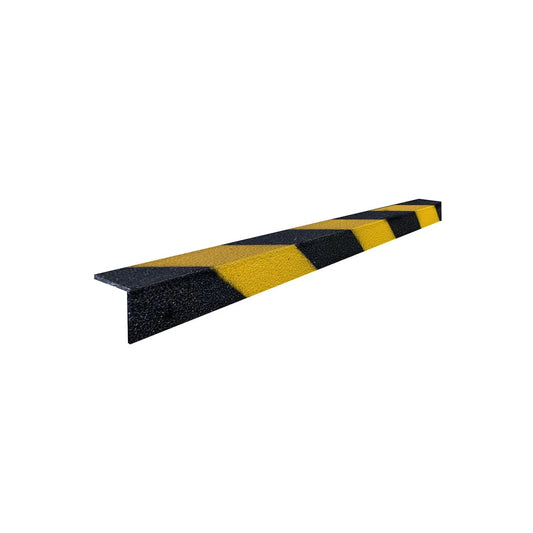
Stair Nosing GRP Black/Yellow 1.5m x55mm Anti-Slip DDA Compliant Chamfered Edge
• GRP stair nosing• Black and yellow safety profile• 1.5m length with 55x55mm profile• Anti-slip design with high-visibility colouring• Chamfered-edge GRP stair nosing providing substantial step coverage for safety-focused stair applications High-Visibility GRP Nosing for Stair Edge Safety This GRP stair nosing is designed to provide a prominent and practical finish along the front edge of suitable stairs. Measuring 1.5 metres in length with a...Regular price £192.65Regular priceUnit price per -

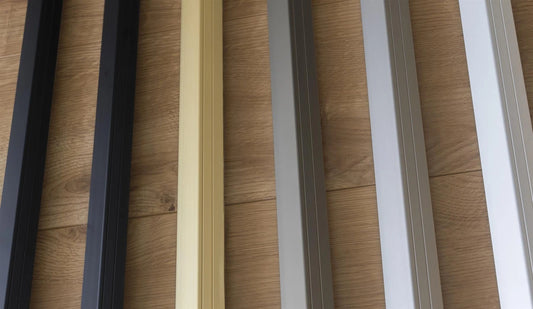
Transition ramp aluminium Self-adhesive 900x41x16mm floor bar ramp edge trim
• Aluminium Construction • Self Adhesive Installation • Anodised Surface Finish • 900mm Flooring Transition Ramp Profile • Designed to Create a Smooth and Professional Connection Between Different Floor Levels Aluminium Transition Ramp for Clean Flooring Connections Flooring transitions are often one of the most noticeable areas in an interior space. When two different surfaces meet, uneven edges, small height differences, or exposed flooring joints...Regular price £29.98Regular priceUnit price per -

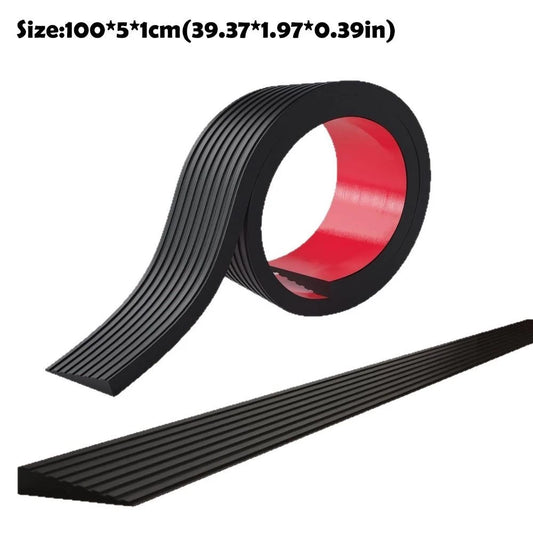
1M Doorway Threshold Ramp Self-adhesive Stair Anti Slip Tape New Rubber Ramp
• Rubber Ramp Design • Self Adhesive Installation • Anti Slip Surface • 1 Metre Doorway Transition Ramp • Designed to Create a Safer and Smoother Connection Between Different Floor Levels Flexible Rubber Ramp Solution for Doorway Transitions Uneven floor levels between rooms, doorways, and entrance areas can create uncomfortable transitions and potential trip points. This 1 metre self adhesive rubber doorway threshold ramp provides...Regular price £31.25Regular priceUnit price per -

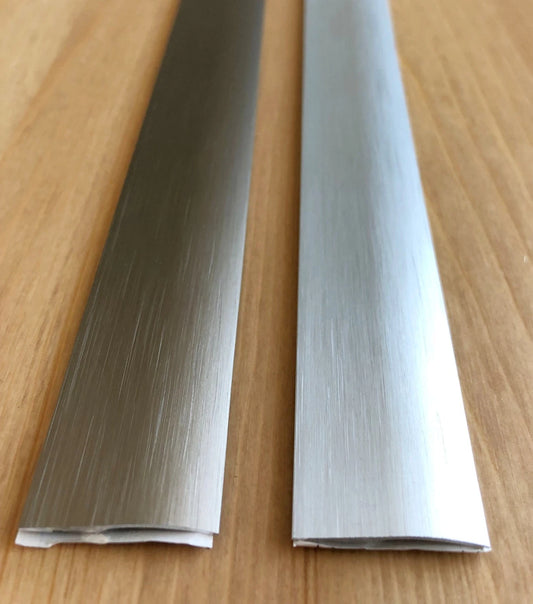
DOOR THRESHOLD BRUSHED ANODISED ALUMINIUM FLOOR BAR EDGE TRIM RAMP - 93 cm long
• Aluminium Construction • Brushed Anodised Finish • 93cm Threshold Transition Bar • Glue Down Installation for Secure Floor Joining • Designed to Create a Smooth and Professional Transition Between Different Flooring Surfaces Aluminium Threshold Trim for Seamless Floor Transitions Flooring changes between rooms can often leave uneven edges, visible gaps, or surfaces that do not meet neatly. This 93cm brushed anodised aluminium door threshold...Regular price £12.48Regular priceUnit price per -

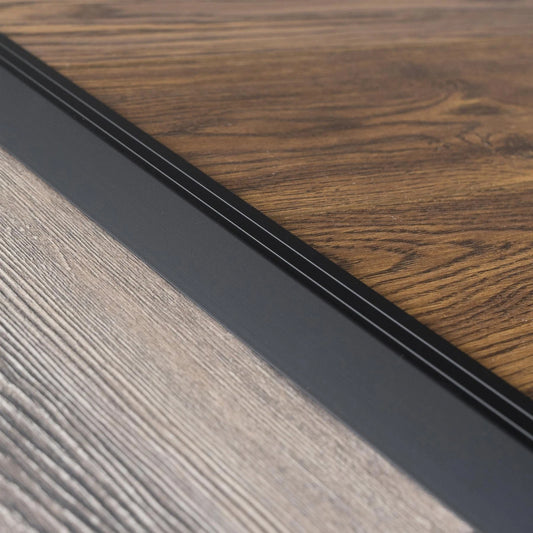
900mm SELFADHESIVE ANODISED ALUMINIUM ANTI NON SLIP STAIR EDGE NOSING TRIM RAMP
• Aluminium Construction• Self Adhesive Installation• Anodised Silver Finish• Anti Slip Stair Edge Protection Profile• 900mm Aluminium Ramp Trim Designed to Improve Stair Safety and Create a Clean Finished Edge Aluminium Stair Edge Trim for Improved Protection and Surface Finishing Stair edges are exposed to constant pressure from daily foot traffic, making them one of the most vulnerable areas of any staircase. This 900mm self...Regular price £14.88Regular priceUnit price per -

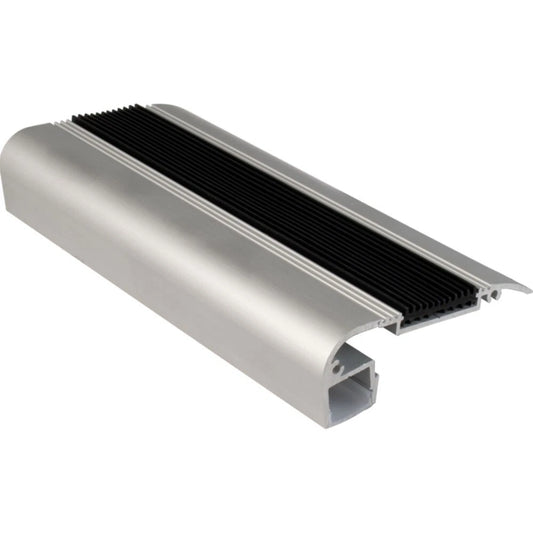
10x 1M Aluminium Silver Round Edge Anti Slip Stair Nosing Ramp LED Strip Profile
• Aluminium Construction• Silver Round Edge Finish• 1 Metre LED Profile Sections• Frosted Cover Design for Cleaner Light Distribution• Pack of 10 Aluminium Profiles for Creating Professional Interior Lighting Features A Sleek Aluminium Profile Solution for Integrated LED Lighting Modern interiors increasingly rely on subtle lighting solutions that improve both appearance and practicality. This aluminium silver round edge LED strip profile provides a clean way...Regular price £499.88Regular priceUnit price per


Ramped Stair Nosing for Smooth Step Edge Transitions
Ramped stair nosing is designed for stair edges where a gradual transition is preferred between the tread surface and the front of the step. Its sloped profile can provide a more progressive edge than a conventional square-ended nosing, making it useful for specific flooring installations and staircase designs.
Selecting a ramped edge profile requires attention to the existing step geometry, finished flooring height and available fixing surface. The profile should sit naturally against the tread rather than creating an abrupt change in level.
Where Ramped Stair Nosing Works Best
A ramped profile can be useful when the stair edge requires a sloping transition rather than a pronounced vertical or square projection. This can help create a more gradual connection between the floor covering and the front edge of the tread.
Commercial refurbishment projects can particularly benefit from careful profile selection because existing stairs may have different tread constructions, flooring build-ups and edge conditions.
When comparing different shapes, the stair nosing by profile collection provides access to alternative designs so the profile can be matched to the staircase rather than selected by appearance alone.
Ramped Edge Stair Nosing for Commercial Use
Commercial staircases need to be assessed according to their level of traffic, construction and intended use. Offices, retail premises, apartment buildings and other shared environments can place different demands on the stair edge.
Ramped edge stair nosing for commercial use can provide a gradual profile where this shape is appropriate for the tread and surrounding flooring. However, the profile must still be securely supported and correctly fixed to a suitable substrate.
The available tread area should also be considered. A ramped profile requires enough surface contact to sit correctly without interfering with adjacent flooring or creating an unnecessary projection.
Matching a Ramped Profile to Flooring Thickness
The finished height of the flooring is one of the most important measurements when selecting stair nosing. Carpet, vinyl, LVT, laminate, timber and other flooring materials can all create different tread levels.
The measurement should include the complete finished flooring build-up, including permanent underlay or adhesive where applicable. This helps determine whether the ramped section will meet the floor cleanly.
Refurbishment work requires particular care because removing an existing profile or changing the flooring can alter the available height and fixing area. Measuring the current staircase is therefore more reliable than relying on an old profile's dimensions.
Choosing the Right Stair Edge Shape
A ramped profile is not suitable for every stair edge. The existing geometry should be examined before ordering, particularly where the tread has a pronounced curve or a sharply defined front edge.
Straight-edged stairs may suit a ramped design where the profile dimensions provide adequate tread coverage. For a distinctly rounded front edge, bullnose stair nosing may offer a more suitable shaped alternative when its dimensions correspond with the existing tread.
The profile should follow the physical characteristics of the step rather than being forced into a shape for which it was not designed.
Ramped Stair Nosing for Commercial Flooring Projects
The surrounding flooring has an important role in the final appearance. A ramped edge can create a smoother visual connection where the stair covering and profile need to meet without a pronounced step between materials.
This can be particularly relevant to commercial refurbishment projects where different flooring materials are being incorporated into an existing staircase. Accurate measurements allow the profile to be selected around the completed installation rather than adjusted after fitting.
Where a sharper, clearly defined edge is preferred, square edge stair nosing provides a contrasting profile shape for projects where a straight-edged finish is more appropriate.
Material and Insert Selection
The material of the ramped profile affects its appearance, rigidity and suitability for the intended environment. Aluminium, rubber, PVC and other materials can provide different characteristics, so the staircase conditions should be considered alongside the desired finish.
Insert colour can also influence how prominent the ramped edge appears. A contrasting insert can make the profile easier to distinguish visually, while a coordinated colour can create a more discreet finish.
For commercial applications, material selection should take account of expected traffic and fixing requirements rather than relying only on the appearance of the finished profile.
Installing Ramped Stair Nosing Correctly
The substrate needs to be clean, stable and capable of supporting the profile before installation. Loose flooring, damaged tread surfaces and old adhesive should be dealt with before fitting.
The fixing method depends on the particular product and substrate. Mechanical fixings, adhesive or a combination may be required, and the specified method should be followed to maintain secure contact.
The profile should also be aligned accurately across the complete stair width. Consistent positioning is especially important when multiple steps are being fitted, as uneven alignment can become highly visible across the staircase.
Selecting Ramped Stair Nosing for Your Project
Before ordering, check the stair width, tread depth, front-edge shape and complete flooring thickness. Confirm the fixing area as well and consider the amount of traffic the staircase receives.
A ramped stair nosing profile is most effective when its sloped geometry corresponds with the existing step and flooring build-up. Careful measurement and appropriate installation will help achieve a clean transition without unnecessary height differences.
Frequently Asked Questions
What is ramped stair nosing?
Ramped stair nosing has a sloped profile designed to create a gradual transition at the front edge of a stair tread. It can be suitable for specific flooring systems and stair constructions.
What is ramped edge stair nosing for commercial use?
It is a ramped profile selected for suitable commercial stair applications. The staircase dimensions, flooring build-up, traffic level and fixing requirements should all be considered before installation.
When should I choose a ramped stair profile?
A ramped profile can be considered when a gradual edge transition is preferred over a sharper square or vertical profile. The existing tread geometry should determine suitability.
Can ramped stair nosing be used with carpet?
It can be suitable where the profile dimensions accommodate the carpet and underlay. Measure the complete finished flooring height before selecting the profile.
Is ramped stair nosing suitable for LVT?
It may be suitable when its dimensions match the finished LVT installation. The complete flooring build-up should be checked before ordering.
Can ramped nosing be used on rounded stairs?
It depends on the tread shape. A pronounced curved front edge may require a specifically shaped profile rather than a standard ramped design.
Is ramped stair nosing suitable for commercial buildings?
It can be suitable where the profile matches the staircase and expected usage. Traffic, substrate condition and fixing requirements should be assessed beforehand.
What materials are available for ramped stair nosing?
Depending on the product range, ramped profiles may be available in materials such as aluminium, PVC or rubber. Material choice should reflect the application and required finish.
How is ramped stair nosing installed?
Installation varies according to the product and substrate. Mechanical fixing, adhesive or a combination may be specified, so the manufacturer's installation requirements should be followed.
What should I measure before buying?
Measure the stair width, tread depth, front-edge shape and complete flooring thickness. Check the fixing surface as well to ensure the selected ramped profile is compatible.
What Our Customers Says!
★
★
★
★
★
Excellent quality stair nosing with a perfect anti-slip finish. The product arrived quickly and was easy to install. It has made our staircase much safer, especially in high-traffic areas. Highly recommended.
James Wilson
Verified Customer
★
★
★
★
★
I purchased stair nosing for our home renovation project and was impressed with the quality. The finish looks great, feels durable, and provides excellent grip on every step.
Sarah Thompson
Verified Customer
★
★
★
★
★
We regularly use anti-slip stair nosing for commercial projects, and the quality has always been reliable. Strong materials, accurate sizing, and a professional finish make installation straightforward.
Mark Bennett
Verified Customer
★
★
★
★
★
A great solution for improving staircase safety. The stair nosing was exactly as described, well packaged, and delivered on time. The anti-slip surface gives extra confidence for everyone using the stairs.
David Roberts
Verified Customer
★
★
★
★
★
Fantastic product and service. The stair nosing looks smart and blends perfectly with our existing flooring. The added grip has made a noticeable difference.
Emma Collins
Verified Customer
★
★
★
★
★
High-quality stair edging with excellent durability. We installed these in an office building, and they have performed very well even with daily foot traffic.
Michael Harris
Verified Customer
★
★
★
★
★
Very happy with my purchase. The stair nosing was easy to fit, looks professional, and gives our staircase a much safer finish.
Olivia Parker
Verified Customer
★
★
★
★
★
Good range of stair nosing options and excellent product quality. The measurements were accurate, and the installation process was quick and hassle-free.
Daniel Foster
Verified Customer
★
★
★
★
★
The perfect finishing touch for our staircase. The anti-slip insert provides great traction while maintaining a clean modern appearance.
Rebecca Turner
Verified Customer