

Your Shopping Cart
-

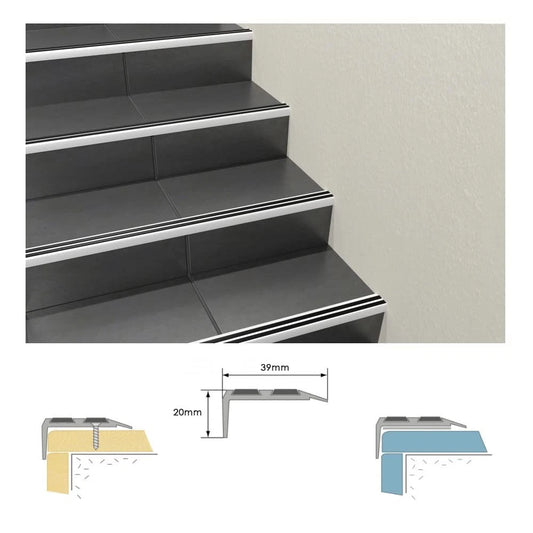
Aluminium Stair Nosing Edge Trim Step Nose Edging Nosings Carpet 900x39x20mm
Aluminium stair nosing edge trim 900mm long profile for stair edges 39 x 20mm profile with a matt finish Contemporary edging with an embossed surface Supplied with fixings for fitting to indoor or outdoor stair edges Aluminium Stair Nosing for Cleaner This aluminium stair nosing edge trim provides a practical finishing profile for stair edges where a neat, contemporary appearance is required. The 900mm length...Regular price £17.48Regular priceUnit price per -

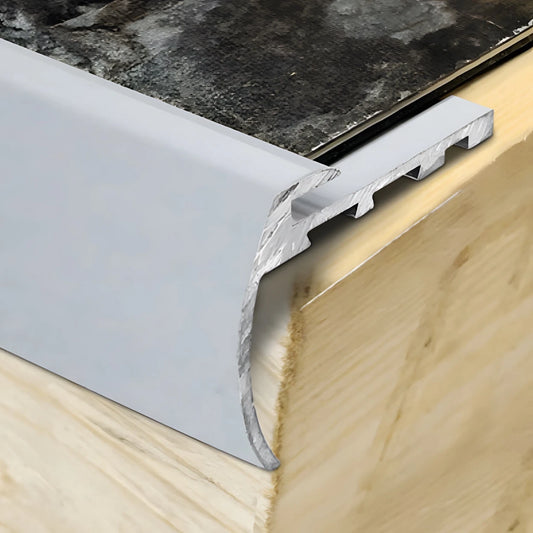
Aluminium Nosing 37x5mm Curved Bullnose LVT Step Edge 2.7m Matt Silver Anodised
Matt Silver Finish 2.7 Metre Length Aluminium Stair Nosing 37mm × 5mm Curved Bullnose Profile Designed for LVT Step Edges with a Neat Anodised Finish Curved Bullnose Profile for LVT Step Edges A stair edge needs a trim that follows the shape of the step while providing a clean transition between the tread and exposed edge. This aluminium stair nosing features a 37mm × 5mm...Regular price £176.75Regular priceUnit price per -

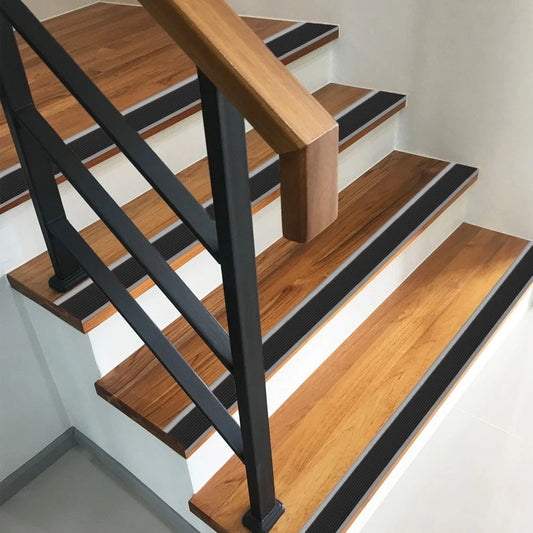
2 Metre PVC Stair Nosing Anti-Slip Edge Trim Protector Step Cover Self-Adhesive
Black Finish 2 Metre Length Self-Adhesive Stair Trim 5cm Width with 2.5cm Height Anti-Slip Edge Protector for Practical Stair Applications A Defined Edge for Everyday Stair Use The front edge of a stair is exposed to regular foot traffic and can benefit from a clearly defined protective trim. This 2 metre stair nosing is designed for stair applications where an edge covering is required along...Regular price £17.38Regular priceUnit price per -

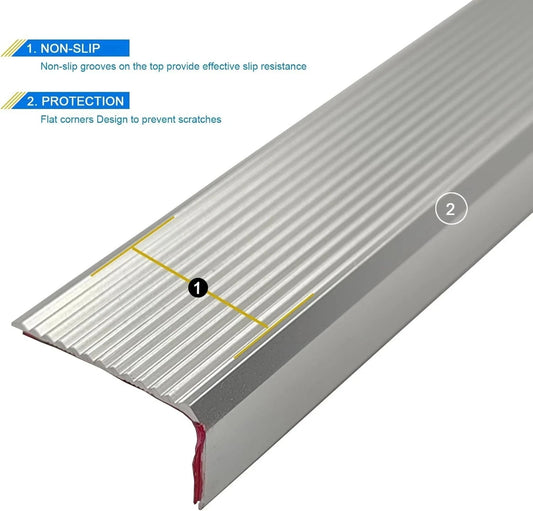
5x Aluminium Stair Nosing Trim Anti Slip Self Adhesive Silver 900x45x23mm
Aluminium Trim• Silver Matt Finish• Anti-Slip Stair Nosing• Self-Adhesive 900mm Stair Edge Trim• 45 x 23mm Profile for Neat Step Edge Finishing Aluminium Stair Nosing for a Clean Step Edge This aluminium stair nosing trim is designed to provide a finished edge along the front of a stair tread. Its silver matt finish gives the profile a straightforward appearance that can complement a variety of...Regular price £37.23Regular priceUnit price per -

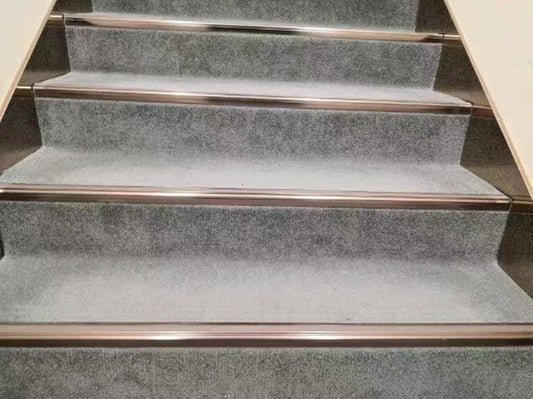
Aluminium Stair Nosing Edge Trim Step Nose Edging Nosings 90*30*50mm
Aluminium Stair Nosing Edge Trim Step Nose Edging 90x30x50mm Short Description • Aluminium Construction• Matte Champagne Finish• Modern Stair Edge Trim• 90 x 30 x 50mm Stair Nosing Profile• Water-Resistant Aluminium Step Edge with Screws Included Aluminium Stair Nosing for a Finished Step Edge This aluminium stair nosing is designed to provide a finished edge along the front of a stair step. The profile combines...Regular price £18.23Regular priceUnit price per -

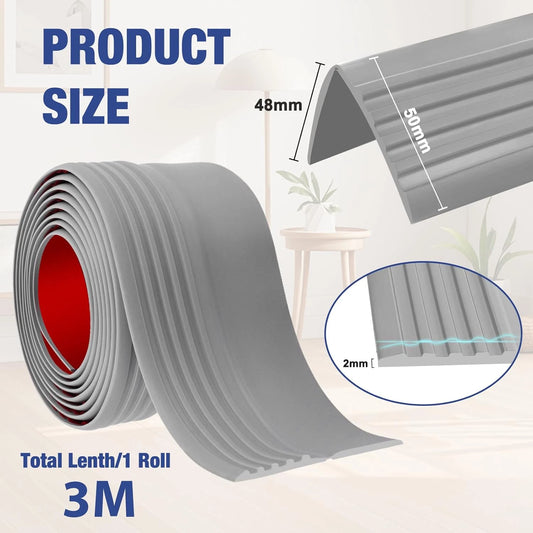
Stair anti Slip Nosing Vinyl Self-Adhesive Stair Treads Edge Trim 3 Meter Flexib
• Vinyl Construction• Grey Stair Nosing• Self-Adhesive Edge Trim• 50 x 48mm Rectangular Profile• 3m Length for Stair Treads and Edge Finishing Grey Vinyl Nosing for Stair Tread Edges This grey vinyl stair nosing is designed to provide a finished edge along the front of stair treads while adding an anti-slip surface to the leading edge. Its rectangular 50 x 48mm profile provides substantial coverage...Regular price £47.95Regular priceUnit price per -

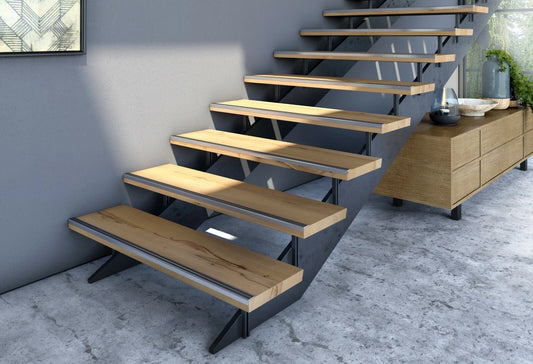
ALUMINIUM STAIR NOSING ANTI NON SLIP EDGE -TRIM-STAIR NOSING 35.43 inch (0.9M)
• Aluminium Construction• Anti-Slip Stair Edge• Stair Nosing Edge Trim• 35.43 Inch / 0.9m Profile Length• Aluminium Stair Nosing for Neat Step Edge Finishing Aluminium Edge Trim for Stair Treads This aluminium stair nosing is designed to provide a finished edge along the front of a stair tread. The profile combines a practical edge-trim format with an anti-slip design, making it suitable for stair projects...Regular price £17.48Regular priceUnit price per -

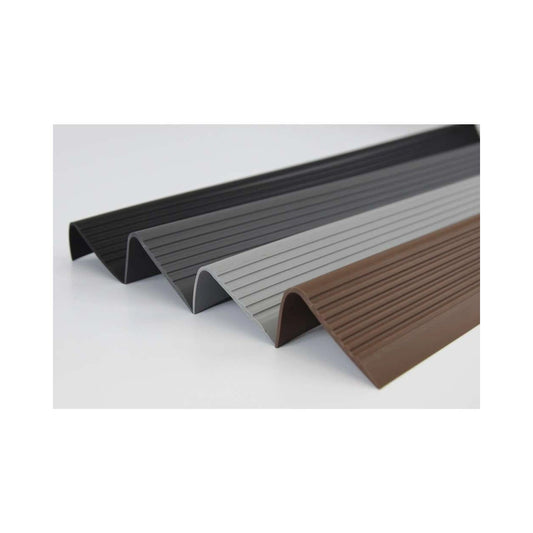
Stair Nosing PVC Grey 70x40mm 1.5m Anti-Slip Wavy Groove Safety Edge Longlasting
• PVC Construction• Grey Anti-Slip Profile• Wavy Groove Safety Surface• 70 x 40mm Stair Edge Profile• 1.5m Length for Stair Tread Edge Protection A Practical Wavy-Groove Profile for Safer Stair Edges This grey PVC anti-slip stair nosing is designed to provide a practical finishing edge for stair treads while adding a textured surface across the front of the step. The wavy groove profile creates a...Regular price £96.08Regular priceUnit price per -

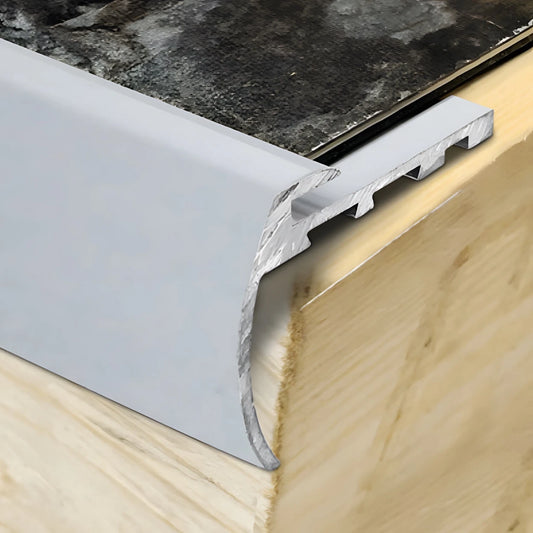
Aluminium Stair Nosing Curved Bullnose Brushed Silver 37x5mm 2.7m LVT Fixings UK
• Curved Bullnose Profile• Brushed Silver Finish• Aluminium AA 6063 T6 Construction• 37 x 5mm Profile for Defined Step Edges• 2.7m Length for Longer Stair Installation Runs A Clean Curved Finish for Stair Edges This curved bullnose stair nosing is designed to provide a neat finishing edge where flooring meets the front of a stair tread. Its rounded profile creates a smoother transition at the...Regular price £195.82Regular priceUnit price per -

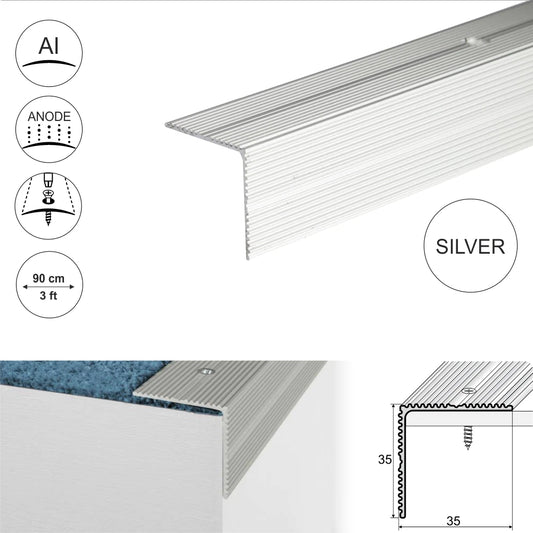
900mm x 35mm x 35mm ANODISED ALUMINIUM ANTI NON SLIP STAIR EDGE NOSING TRIM A34
• Anodised Aluminium• Non-Slip Profile• 900mm Length• 35 x 35mm Stair Edge Coverage• Supplied with Screws for Secure and Practical Installation A Practical Profile for Defined Stair Edges The front edge of a staircase is one of the areas most exposed to repeated foot contact. A properly fitted stair nosing provides a dedicated profile across this section, helping create a cleaner edge while adding a...Regular price £26.56Regular priceUnit price per -

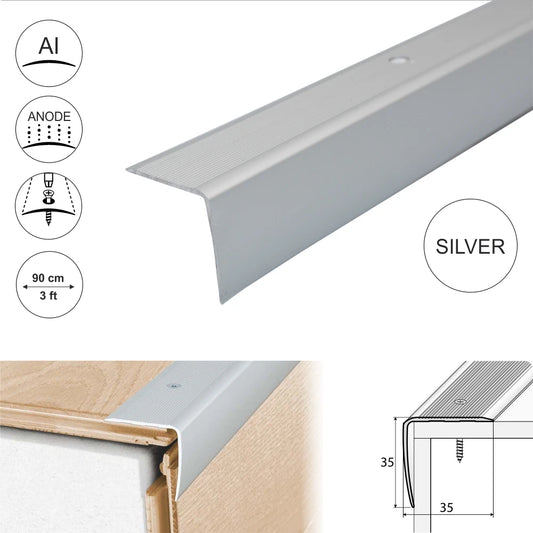
ALUMINIUM ANTI NON SLIP STAIR EDGE NOSING STEP EDGING TRIM- 35x 35mm A41
• Aluminium Construction • Non-Slip Stair Profile • 35 x 35mm Size • Modern Trim for Practical Stair Edge Finishing • Supplied with Screws for Secure Installation Along Suitable Stair Edges Aluminium Construction for a Practical Stair Edge The front edge of a staircase receives repeated contact as people move between steps, making it an important area to consider when installing or refurbishing a stairway....Regular price £26.56Regular priceUnit price per -

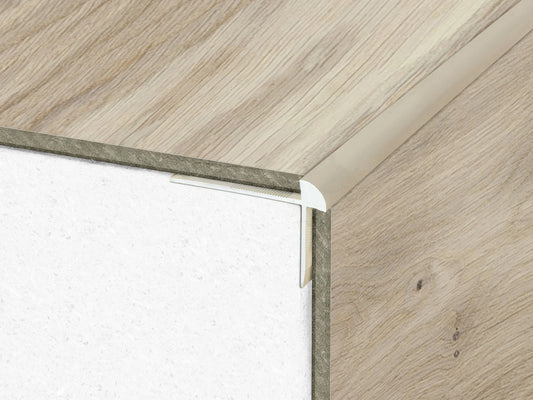
LVT 5mm Stair Nosing Aluminium Outer Corner Vinyl Flooring Edge Profile C29 Trim
• LVT Stair Nosing • Aluminium Profile • Outer Corner Trim • 900mm Length with 42mm Width • Screw-Fix Profile for LVT and Vinyl Stair Edge Applications A Practical Outer Corner Profile for LVT Stair Edges An outer corner is one of the areas where a stair installation needs a clean and consistent transition. When LVT or vinyl is installed around a stair edge, an...Regular price £26.56Regular priceUnit price per -

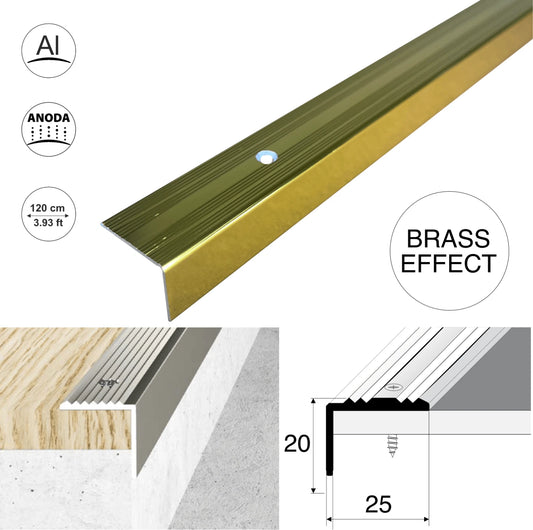
Aluminium Stair Nosing 25x20x 1200mm Anti-Slip Edge Trim Protector Step Cover S2
• Aluminium Construction • Anti-Slip Edge • 1200mm Length • 25 x 20mm Stair Edge Profile • Modern Step Protector for Practical Stair Edge Finishing A Longer Profile for Stair Edge Protection The leading edge of a staircase receives repeated foot contact and can become an area of noticeable wear over time. An aluminium stair nosing provides a practical trim across this exposed section, helping...Regular price £39.96Regular priceUnit price per -

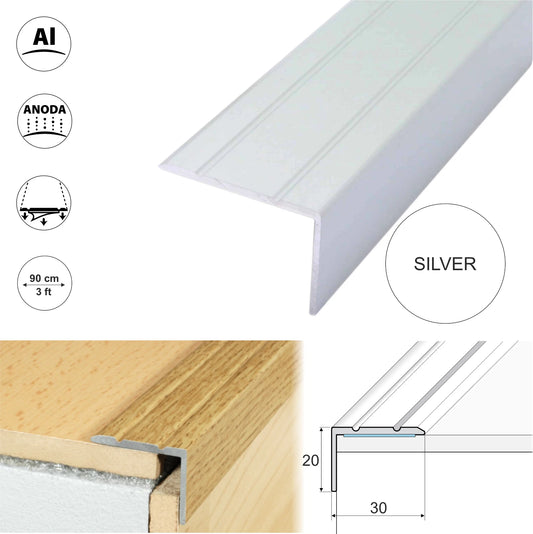
ALUMINIUM STAIR NOSING EDGE TRIM STEP EDGING NOSINGS FOR CARPET WOOD 30x20mm
• Aluminium Construction• Non-Slip Profile• 30 x 20mm Size• 900mm Length for Practical Stair Edge Coverage• Glue-Down Stair Nosing Suitable for Carpet, Wood and Various Interior Stair Areas A Neat Stair Edge Solution for Carpet and Wood The leading edge of a staircase can experience considerable wear, particularly where carpet, wood or another finished surface meets the front of the tread. A stair nosing provides...Regular price £27.96Regular priceUnit price per -

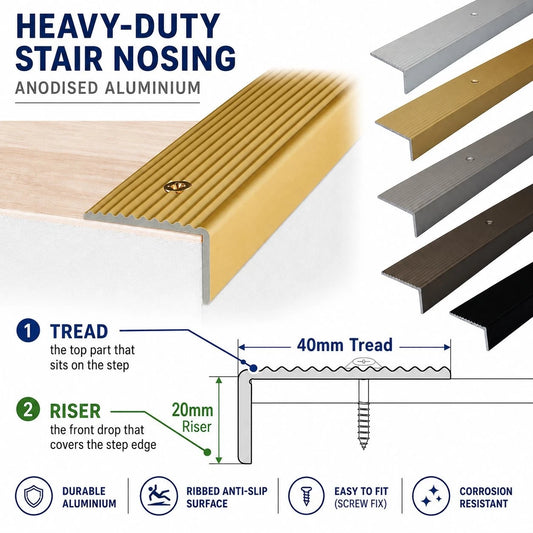
ALUMINIUM ANTI NON SLIP STAIR EDGE NOSING - STEP EDGING TRIM- 40 x 20mm A33
• Aluminium Profile• Non-Slip Design• 40 x 20mm Profile Size• Modern Stair Edge Trim for Clean Step Finishing• Supplied with Screws for Practical and Secure Stair Nosing Installation A Compact Profile for Defined Stair Edges The front edge of a stair is exposed to repeated foot contact and everyday wear, particularly in busy homes, offices and other frequently used interior spaces. A suitable stair nosing...Regular price £29.96Regular priceUnit price per


Stair Nosing Profiles for Different Step Shapes and Uses
Stair nosing profile affects how the trim sits over the tread, how much of the stair edge it covers and how the finished transition feels underfoot. Single-channel, double-channel, bullnose, ramped, square-edge, slimline and stair-edge trims each suit different step shapes, flooring build-ups and installation requirements.
Single and Double Channel Stair Nosing for Wider Tread Coverage
Channel design determines how the insert or anti-slip surface is positioned across the tread. A single-channel stair nosing can suit installations where a compact profile and one defined grip area are required without covering more of the step than necessary.
Where a broader contact area is preferred, double-channel stair nosing provides two channels across the profile. This can be useful on commercial stairs or higher-use routes where the tread design and available fixing area support a wider nosing.
The deciding factor should be the actual stair geometry, because increasing profile width does not automatically make a product more suitable.
Bullnose and Square Edge Profiles for Different Stair Shapes
The front edge of the step should guide the next part of the selection. Rounded stairs need a profile that follows the curve without leaving an awkward gap between the nosing and substrate.
For these installations, bullnose stair nosing is designed around a more rounded tread edge and can provide a cleaner finish where a sharp-angle profile would not sit correctly.
Straight-edged steps have different requirements. A square-edge stair nosing is better aligned with clearly formed right-angle treads where the front face and upper surface meet more sharply.
Matching the profile shape to the existing step reduces unnecessary gaps and avoids relying on fixings to pull an unsuitable profile into position.
Ramped and Slimline Stair Nosing for Lower Transitions
Profile height becomes particularly important where the nosing meets thin flooring or where a bulky tread edge would be undesirable.
A ramped stair nosing creates a more gradual transition towards the surrounding surface, making profile dimensions especially relevant when dealing with changes in floor level.
Where less visual bulk is preferred, slimline stair nosing offers a lower-profile approach that can suit thinner flooring systems and more understated interiors.
Neither option should be selected from appearance alone. Floor thickness, fixing area and the shape of the tread still determine whether the profile will fit correctly.
Stair Edge Trim for Simple Edge Protection and Finishing
Not every staircase requires a deep or multi-channel nosing. Where the main requirement is to finish and protect the front of the step, stair edge trim can provide a more straightforward solution.
This type of profile is particularly dependent on accurate sizing because a narrow trim has less scope to compensate for uneven edges or unsuitable floor heights. Measuring the tread and front face before ordering helps establish whether an edge trim provides enough coverage or a fuller stair nosing profile is required.
Match the Profile With Flooring, Material and Fixings
After identifying the step shape, floor compatibility should be checked before selecting the final product. Different flooring thicknesses can change how a profile sits, so the ranges grouped by stair nosing by floor type help confirm whether the chosen design works with carpet, vinyl, LVT, laminate, tile, wood, concrete or rubber flooring.
Construction material then affects rigidity, finish and installation environment. Comparing stair nosing by material allows the same profile requirement to be considered across aluminium, GRP, rubber, PVC, stainless steel and brass options.
Once the product has been narrowed down, suitable screws, adhesive or finishing components within stair nosing accessories can be matched to the profile and substrate before the order is completed.
Frequently Asked Questions
What is a stair nosing profile?
The profile is the shape and construction of the nosing around the tread edge. It determines how far the product covers the step, how it meets the flooring and whether it suits a square, rounded or transitioning edge.
What is the difference between single and double channel stair nosing?
Single-channel nosing has one main insert or grip channel, while double-channel designs provide two. The better option depends on tread dimensions, required coverage and the amount of fixing space available.
When should bullnose stair nosing be used?
Bullnose profiles are suited to stairs with rounded front edges. The curve of the profile should correspond closely with the tread so it sits correctly without leaving excessive gaps around the front of the step.
Is square-edge stair nosing suitable for straight steps?
Yes, where the tread has a clearly formed square or right-angle front edge. Profile measurements should still be checked because stair depth, flooring thickness and fixing requirements can vary between installations.
What is ramped stair nosing used for?
Ramped profiles provide a more gradual transition between the nosing and adjoining surface. They can be useful where floor levels differ, but the profile dimensions should be compared carefully with the completed flooring build-up.
When is slimline stair nosing a better option?
Slimline profiles suit projects where a lower or less prominent stair edge is preferred. They are particularly relevant with thinner floor finishes, provided the profile still offers sufficient coverage and fixing area.
Is stair edge trim the same as full stair nosing?
Not always. Stair edge trim may provide simpler protection and finishing around the front of a step, while larger nosing profiles can offer greater tread coverage, channels or more substantial edge construction.
Does flooring thickness affect stair nosing profile choice?
Yes. Flooring thickness changes the height at which the profile meets the tread. Carpet and underlay, LVT adhesive or laminate underlay should all be included when checking whether a profile will sit correctly.
Can the same profile be made from different materials?
Often, similar profile shapes are available in several materials, but dimensions and construction can vary. Compare the complete product specification rather than assuming aluminium, rubber, GRP or PVC versions are identical.
What should I measure before ordering a stair nosing profile?
Measure the stair width, tread depth, front-edge shape and finished floor thickness. Also check the available fixing area so the selected profile can sit securely without creating an unsuitable height or overhang.
What Our Customers Says!
★
★
★
★
★
Excellent quality stair nosing with a perfect anti-slip finish. The product arrived quickly and was easy to install. It has made our staircase much safer, especially in high-traffic areas. Highly recommended.
James Wilson
Verified Customer
★
★
★
★
★
I purchased stair nosing for our home renovation project and was impressed with the quality. The finish looks great, feels durable, and provides excellent grip on every step.
Sarah Thompson
Verified Customer
★
★
★
★
★
We regularly use anti-slip stair nosing for commercial projects, and the quality has always been reliable. Strong materials, accurate sizing, and a professional finish make installation straightforward.
Mark Bennett
Verified Customer
★
★
★
★
★
A great solution for improving staircase safety. The stair nosing was exactly as described, well packaged, and delivered on time. The anti-slip surface gives extra confidence for everyone using the stairs.
David Roberts
Verified Customer
★
★
★
★
★
Fantastic product and service. The stair nosing looks smart and blends perfectly with our existing flooring. The added grip has made a noticeable difference.
Emma Collins
Verified Customer
★
★
★
★
★
High-quality stair edging with excellent durability. We installed these in an office building, and they have performed very well even with daily foot traffic.
Michael Harris
Verified Customer
★
★
★
★
★
Very happy with my purchase. The stair nosing was easy to fit, looks professional, and gives our staircase a much safer finish.
Olivia Parker
Verified Customer
★
★
★
★
★
Good range of stair nosing options and excellent product quality. The measurements were accurate, and the installation process was quick and hassle-free.
Daniel Foster
Verified Customer
★
★
★
★
★
The perfect finishing touch for our staircase. The anti-slip insert provides great traction while maintaining a clean modern appearance.
Rebecca Turner
Verified Customer