

Your Shopping Cart
-

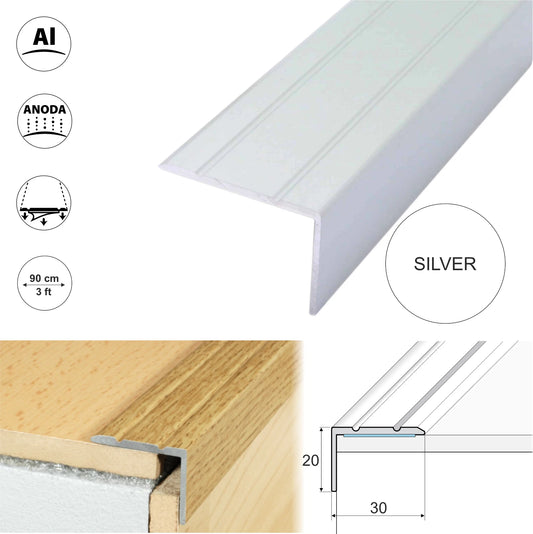
ALUMINIUM STAIR NOSING EDGE TRIM STEP EDGING NOSINGS FOR CARPET WOOD 30x20mm
• Aluminium Construction• Non-Slip Profile• 30 x 20mm Size• 900mm Length for Practical Stair Edge Coverage• Glue-Down Stair Nosing Suitable for Carpet, Wood and Various Interior Stair Areas A Neat Stair Edge Solution for Carpet and Wood The leading edge of a staircase can experience considerable wear, particularly where carpet, wood or another finished surface meets the front of the tread. A stair nosing provides...Regular price £27.96Regular priceUnit price per -

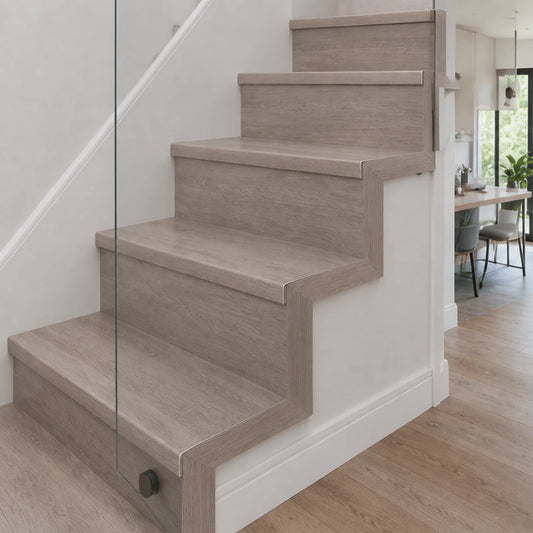
Aluminium Stair Nosing Wood Effect 35 x35 mm Step Edging Guard Trim Profile A41
• Aluminium Construction • Wood Effect Finish • 35 x 35mm Profile • 900mm Length for Individual Stair Edges • Easy Glue-Down Installation with a Hard-Wearing Surface for Everyday Stair Use A Wood-Effect Finish with the Strength of Aluminium A stair edge is one of the most exposed parts of a step, particularly in busy hallways, residential staircases and frequently used access areas. This 35...Regular price £35.96Regular priceUnit price per -

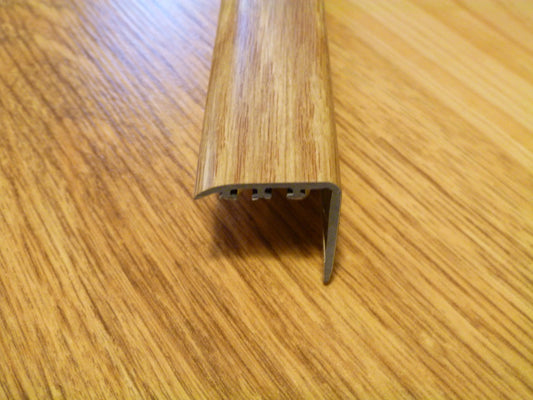
UPVC WOOD EFFECT STAIR EDGE NOSING -TRIM- EDGING NOSING 30 x 30mm
• UPVC Construction • Wood Effect Finish • 30 x 30mm Profile • Decorative Trim for Stair Edges • Practical Profile for Suitable Stair Refurbishment and Interior Finishing Projects A Wood-Effect Finish for Stair Edges The exposed front edge of a staircase can have a noticeable effect on the overall appearance of the steps. A suitable stair nosing provides a dedicated finishing profile for this...Regular price £23.96Regular priceUnit price per -

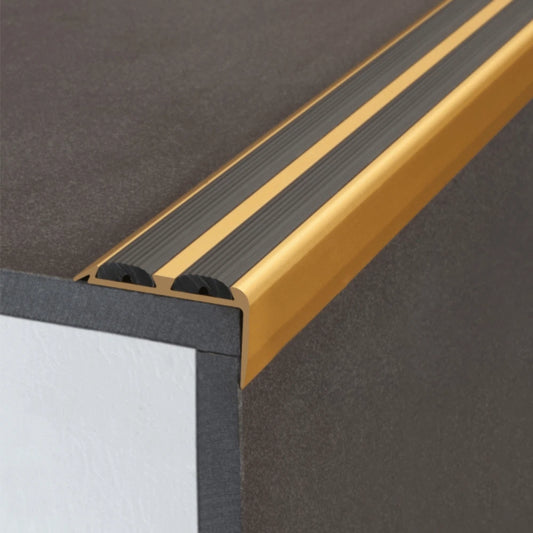
1.8m ALUMINIUM STAIR NOSING EDGE TRIM STEP NOSE EDGING NOSINGS FOR CARPET WOOD
• Aluminium Construction • 1.8m Stair Nosing • Non-Slip Edge Profile• Aluminium Construction • Suitable for Carpet and Wood Stairs • Practical Step Edge Trim for Creating a Defined and Finished Staircase Edge A Practical Edge Trim for Carpet and Wood Stairs The front edge of a staircase is exposed to repeated foot contact, making it one of the most important areas to finish correctly....Regular price £44.97Regular priceUnit price per -

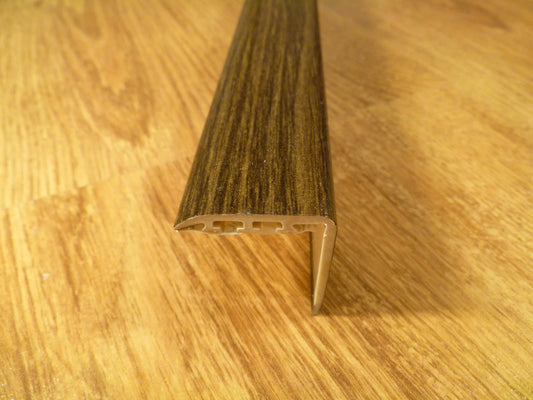
UPVC WOOD EFFECT STAIR EDGE NOSING -TRIM- EDGING NOSING 25 x 25mm
• UPVC Construction • Wood Effect Finish • 25 x 25mm Profile • Stair Edge Nosing for Clean Step Finishing • Wood Effect UPVC Trim Designed to Complement Suitable Stair Surfaces A Wood Effect Finish for Stair Edges The exposed front edge of a stair can have a noticeable effect on the overall appearance of a staircase. A suitable nosing trim provides a finished transition...Regular price £17.96Regular priceUnit price per -

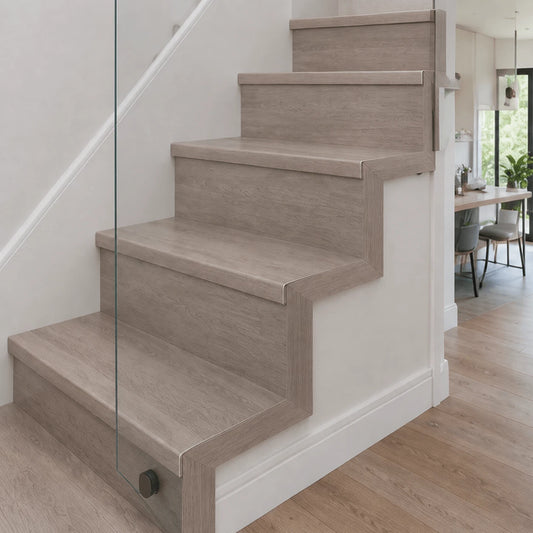
Aluminium Stair Nosing Wood Effect 35 x35 mm Step Edging Guard Trim Profile 2.7m
2mm Profile 35 x 35mm Size Matt Wood-Effect Finish Glue-Down Aluminium Stair Edging Decorative Step Edge Protection with a Durable Aluminium Core Wood-Effect Protection for Finished Stair Edges This aluminium stair nosing combines practical edge protection with a decorative wood-effect finish, making it suitable for stairs where the exposed corner needs a cleaner and more finished appearance. The 35 x 35mm profile covers the meeting...Regular price £59.97Regular priceUnit price per -

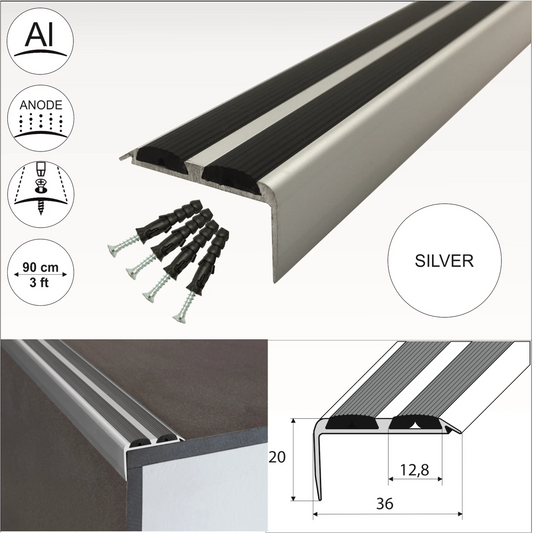
15x ALUMINIUM STAIR NOSING EDGE TRIM STEP NOSE EDGING NOSING FOR CARPET WOOD A37
A37 Profile Anodised Finish Non-Slip Aluminium Edging 15-Piece Stair Nosing Set Suitable for Carpet and Wood Stair Edges A37 Aluminium Nosing for Neater, More Practical Stair Edges Exposed stair edges take repeated contact from footwear and can quickly become one of the most noticeable parts of a staircase. This A37 aluminium stair nosing provides a practical way to finish the front edge of a step...Regular price £262.48Regular priceUnit price per -

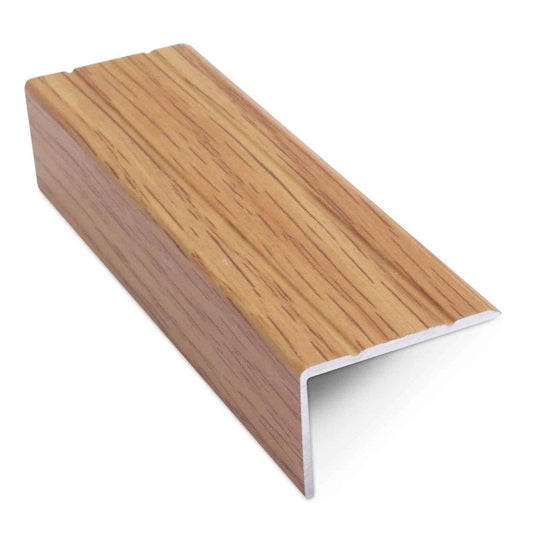
Stair Nosing Aluminium 25x10mm Self-Adhesive Retro-Fit Oak Finish 0.9m Anti-Slip
0.9m Length Aluminium Stair Nosing Oak Finish with a Modern Stair-Edge Appearance 25x10mm Self-Adhesive Retro-Fit Profile for Existing Stair Edges Practical Anti-Slip Stair Nosing Designed to Provide a Neat Oak-Finish Edge to Existing Steps A Practical Aluminium Stair Nosing for Existing Steps This 0.9m aluminium stair nosing provides a compact way to finish the front edge of existing stairs while adding an oak-effect appearance to...Regular price £31.35Regular priceUnit price per -

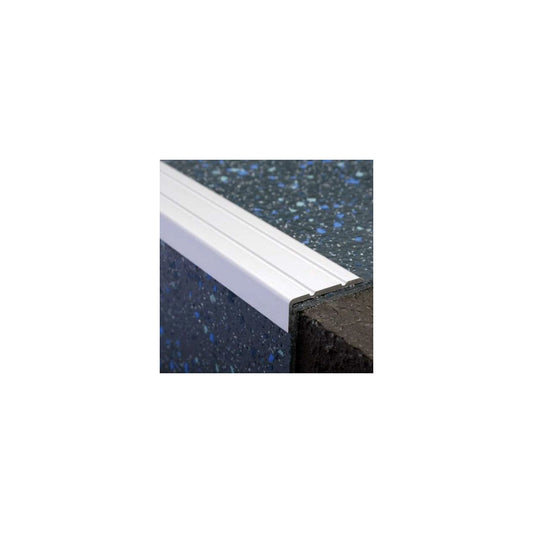
Stair Nosing Aluminium Oak 30x20mm Retro-Fit Self-Adhesive Grooved Durable 0.9m
0.9m Length Aluminium Stair Nosing Oak Finish for a Natural-Look Stair Edge 30x20mm Grooved Retro-Fit Profile with Self-Adhesive Installation Durable Aluminium Stair Edge Profile Designed to Finish Existing Steps with a Practical Oak Appearance A Compact Solution for Existing Stair Edges This 0.9m aluminium stair nosing is designed as a practical retro-fit profile for improving the front edge of existing stairs. It provides a neat...Regular price £33.70Regular priceUnit price per -

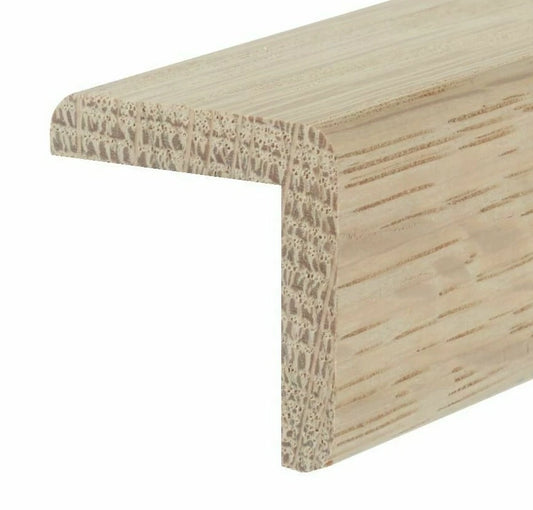
Solid Oak Cushion Corner L Bead I 0.9m I Edge Nosing I 20/25/30/40/45mm
• Solid Oak• Hardwood Timber• 900mm Length• Cushion Corner L Bead• 20mm, 25mm, 30mm, 40mm or 45mm Oak Edge Nosing for Stair and Interior Finishing Solid Oak Cushion Corner Bead for Neat Edge Finishing This solid oak cushion corner L bead is designed for interior projects where a natural hardwood edge profile is required to create a cleaner, more finished transition around suitable corners and...Regular price £12.75Regular priceUnit price per -

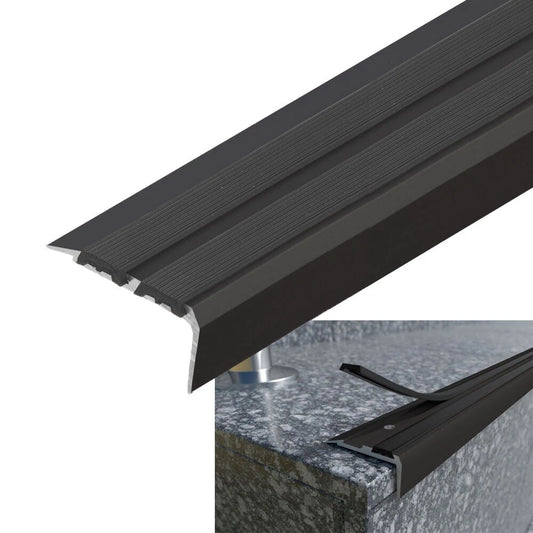
Stair Nosing Edge Trim Aluminium Step Stair Nose Edging Strip for Wood Carpet
• Aluminium Stair Nosing• 900mm Length• 38.5mm Wide x 19.5mm High• Matt Finish with Grooved Surface• Anti-Slip Stair Edge Trim with Concealed Fixings for Wood, Carpet and Other Flooring Types A Practical Aluminium Profile for Stair Edge Protection This aluminium stair nosing edge trim is designed to provide a neat, durable finish along the front edge of stair treads. The profile combines an aluminium construction...Regular price £24.88Regular priceUnit price per -

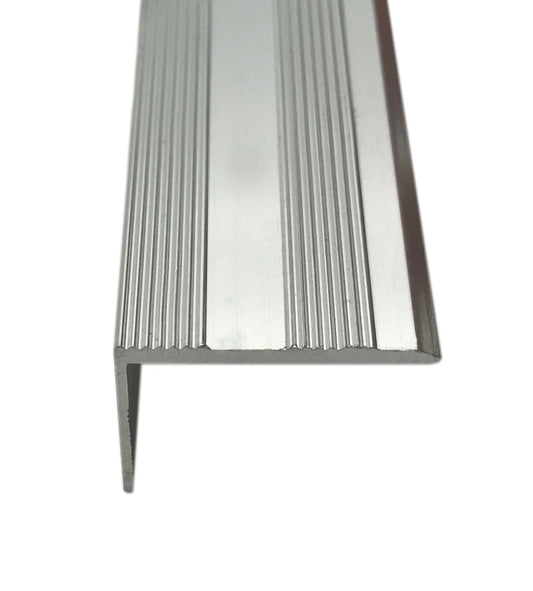
Stair Nosing Edging 15mm Self Adhesive Trim Step Modern Colours Wood Carpet 3ft
• Self Adhesive• 15mm Approx. Depth• 3ft / 0.9m Length• Modern Stair Edge Trim• Peel-and-Stick Nosing Profile for Wood, Carpet and Stair Tread Edges A Simple Self-Adhesive Finish for Stair Edges This self-adhesive stair nosing edging trim provides a straightforward way to create a cleaner finish along the front edge of suitable stair treads. Designed for peel-and-stick installation, it can be useful for stair refurbishment...Regular price £22.48Regular priceUnit price per -

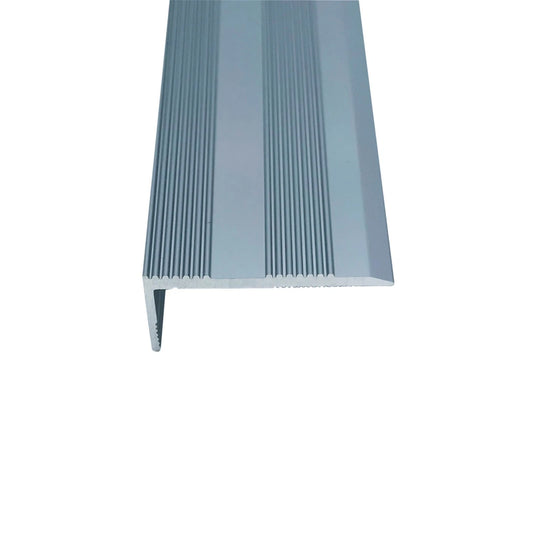
Stair Nose Edge/Edging Self Adhesive Trim Step Modern Colours Wood Carpet 0.9m
• Self Adhesive• 9mm Approx. Depth• 0.9m / 3ft Length• Modern Stair Nose Trim• Peel-and-Stick Edge Profile for Wood, Carpet and Suitable Stair Tread Surfaces Compact Self-Adhesive Trim for Stair Edges This self-adhesive stair nose edging trim is designed to provide a neat finishing detail along the front edge of suitable stair treads. Its compact approximately 9mm depth makes it a practical option where a...Regular price £14.70Regular priceUnit price per -

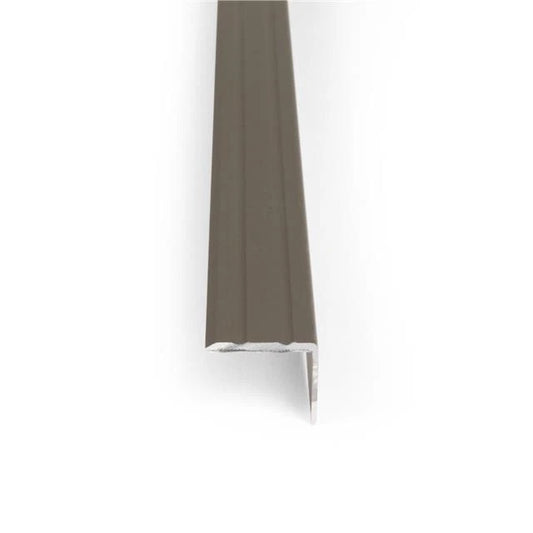
Self adhesive aluminium, wood/metal effect flooring stair nosing 0.9m
• Self Adhesive• Aluminium Construction• 0.9m Length• Wood or Metal Effect Finish• Interior Stair Nosing Profile for Neat Step Edge and Floor Transitions A Practical Aluminium Nosing for Interior Stair Edges This self-adhesive aluminium stair nosing provides a practical finishing solution for interior stair and floor transition projects. Its aluminium construction offers a clean, structured profile, while the wood or metal-effect appearance provides flexibility when...Regular price £42.48Regular priceUnit price per -

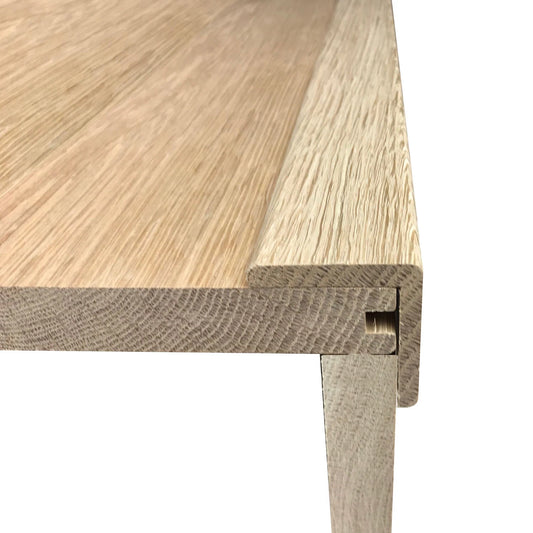
Solid Oak Nosing | Stair Tread L-Nose | 25mm x 25mm | Corner Angle Bead | 0.9m
• Solid Oak• Hardwood Timber• Planed Oak Profile• 25mm x 25mm L-Nose• 0.9m Oak Corner Angle Bead for Stair Edges, Treads and Interior Timber Finishing Solid Oak L-Nose for Neat Stair Edge Finishing This solid oak nosing is a practical choice for finishing stair edges and other interior timber details where a compact, natural hardwood profile is required. The 25mm x 25mm L-nose design creates...Regular price £22.00Regular priceUnit price per


Wood Stair Edge Profiles for Timber Treads and Finished Steps
Wooden stairs need a nosing that suits the shape of the tread, the condition of the timber and the way the front edge has been finished. Solid wood, engineered boards and timber stairs covered with another surface can all require different profile depths and fixing methods.
A well-matched wood stair nosing should sit cleanly against the tread without hiding too much of the timber, leaving gaps at the front edge or creating a bulky transition. The best starting point is the actual stair construction rather than the decorative finish alone.
Tread Shape Matters More Than Timber Species
Wooden stairs are rarely identical. Some have a sharp square edge, others use a rounded bullnose, while older staircases may already have worn or altered front edges.
Before selecting any wooden stair nosing, inspect the tread from both the top and side. A clearly formed right-angle edge may suit a profile from the square edge stair nosing range, while rounded timber steps need a shape that follows the existing curve more closely.
The important point is to match the profile geometry to the stair itself. Trying to force a straight profile around a curved edge can create visible gaps and reduce the available fixing area.
Wooden Nosing for Stairs With Rounded Front Edges
Traditional timber staircases often use a rounded or projecting tread edge. In these cases, the front profile becomes a major part of the buying decision.
A suitable bullnose stair nosing can follow a curved step more naturally and provide a neater finish than a profile designed for a square corner. The radius and vertical coverage should still be compared with the actual timber before purchase.
This is especially important when an existing wooden edge has been sanded, repaired or refinished over time, because the original shape may no longer match standard dimensions exactly.
Stair Nosing for Solid Wood and Engineered Timber
Solid timber usually provides a strong substrate for mechanical fixing, but care is still needed around screw position and edge distance. Fixings placed too close to a damaged or narrow tread edge may not achieve the secure hold expected.
Engineered timber can require more consideration because the visible board is only part of the floor build-up. When selecting stair nosing for wood stairs, measure any underlay, adhesive or supporting layer beneath the finished surface rather than relying on the board thickness alone.
Where the staircase includes timber flooring over a separate substrate, checking the wider stair nosing by floor type range can help distinguish between profiles intended for solid wood, laminate and other manufactured floor finishes.
Aluminium and Brass Finishes for Wooden Stairs
Material changes the appearance of the completed stair edge considerably. Timber can work with both contrasting and complementary metal finishes depending on the interior.
For a clean, contemporary edge, aluminium stair nosing can provide a rigid profile that contrasts well with many light and dark woods. Its dimensions should still be checked carefully so the metal does not dominate a narrow tread.
Where a warmer decorative finish is preferred, brass stair nosing can suit traditional timber, darker wood tones and interiors where the stair edge forms part of the visible design.
Material should follow fit, not replace it. A visually attractive finish is only suitable if the profile also matches the tread shape and flooring depth.
Fitting Nosing for Wooden Stairs Without Damaging the Tread
Wood gives installers several fixing options, but the correct method depends on the product and condition of the staircase.
Mechanical fixing is common where the timber is sound enough to accept screws. Pilot holes may be appropriate for some installations to reduce the risk of splitting near the tread edge. Adhesive can also be specified for certain profiles, either alone or alongside mechanical fixing.
Once the fixing method is confirmed, compatible stair nosing accessories can be matched to the profile rather than using general-purpose screws or adhesive without checking suitability.
Refinished stairs need additional care because varnish, paint or old adhesive can affect how securely a bonded profile attaches to the surface.
Buying Stair Nosing for Existing and New Timber Stairs
New staircases allow the nosing and timber finish to be planned together. This makes it easier to coordinate profile height, tread projection and the final appearance before the flooring or finish is completed.
Existing stairs should be checked for movement, damaged edges, loose boards and previous fixing holes. A new profile should not be expected to correct structural movement or unstable timber underneath.
Before ordering, record the stair width, tread depth, edge shape and complete floor thickness. These measurements give a much stronger basis for selecting wooden nosing for stairs than choosing from appearance alone.
Frequently Asked Questions
What stair nosing is suitable for wooden stairs?
Select a profile that follows the tread shape and suits the timber thickness, fixing area and intended finish. Square and rounded stair edges can require different nosing designs.
Is wooden stair nosing only for solid timber stairs?
No. It can also be used with engineered timber where the profile dimensions suit the completed floor build-up. The underlying substrate should still provide a suitable fixing surface.
What profile works with rounded wooden steps?
Bullnose profiles are commonly suited to rounded tread edges. Check the actual curve and front-edge depth before ordering because older timber stairs may not match standard dimensions exactly.
Can aluminium stair nosing be fitted to wood?
Yes, where the aluminium profile matches the stair geometry and can be fixed securely. It is often chosen when a defined metal edge is preferred against a timber finish.
Does brass stair nosing work with wooden stairs?
Yes. Brass can complement traditional or darker timber finishes while creating a distinct tread edge. Profile fit and fixing compatibility should still be checked before purchase.
Should stair nosing cover the entire wooden tread edge?
Not necessarily. Coverage depends on the profile design. The nosing should protect and finish the required area without extending further than necessary or creating an awkward projection.
Can screws split a wooden stair tread?
Poorly positioned or oversized fixings can damage timber. Use fixings suited to the profile and wood condition, and follow the recommended installation method for the product.
Can stair nosing be fitted to varnished wood?
It can, but the fixing method matters. Mechanical fixings may be more reliable in some situations, while bonded installations need a surface that is compatible with the selected adhesive.
Should damaged timber be repaired before fitting nosing?
Yes. Loose, cracked or badly worn areas should be repaired first so the profile has a stable surface and secure fixing points rather than simply covering an underlying problem.
What should I measure before ordering wood stair nosing?
Measure the stair width, tread depth, front-edge shape and finished timber thickness. Also check the available fixing area and any existing profile before selecting the replacement.
What Our Customers Says!
★
★
★
★
★
Excellent quality stair nosing with a perfect anti-slip finish. The product arrived quickly and was easy to install. It has made our staircase much safer, especially in high-traffic areas. Highly recommended.
James Wilson
Verified Customer
★
★
★
★
★
I purchased stair nosing for our home renovation project and was impressed with the quality. The finish looks great, feels durable, and provides excellent grip on every step.
Sarah Thompson
Verified Customer
★
★
★
★
★
We regularly use anti-slip stair nosing for commercial projects, and the quality has always been reliable. Strong materials, accurate sizing, and a professional finish make installation straightforward.
Mark Bennett
Verified Customer
★
★
★
★
★
A great solution for improving staircase safety. The stair nosing was exactly as described, well packaged, and delivered on time. The anti-slip surface gives extra confidence for everyone using the stairs.
David Roberts
Verified Customer
★
★
★
★
★
Fantastic product and service. The stair nosing looks smart and blends perfectly with our existing flooring. The added grip has made a noticeable difference.
Emma Collins
Verified Customer
★
★
★
★
★
High-quality stair edging with excellent durability. We installed these in an office building, and they have performed very well even with daily foot traffic.
Michael Harris
Verified Customer
★
★
★
★
★
Very happy with my purchase. The stair nosing was easy to fit, looks professional, and gives our staircase a much safer finish.
Olivia Parker
Verified Customer
★
★
★
★
★
Good range of stair nosing options and excellent product quality. The measurements were accurate, and the installation process was quick and hassle-free.
Daniel Foster
Verified Customer
★
★
★
★
★
The perfect finishing touch for our staircase. The anti-slip insert provides great traction while maintaining a clean modern appearance.
Rebecca Turner
Verified Customer