

Your Shopping Cart
-

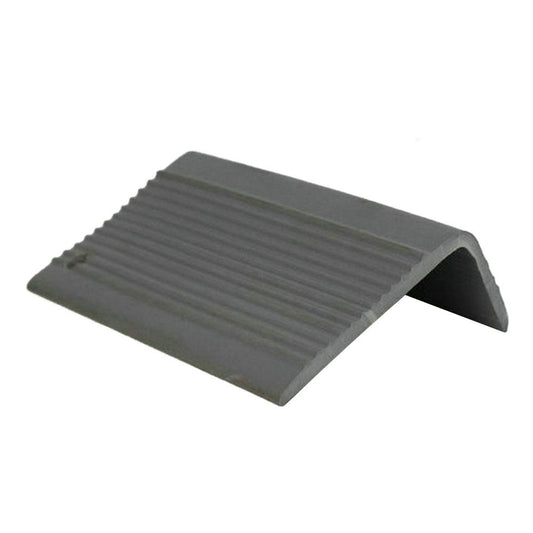
Anti-slip Strip Non-slip Safety Rubber Angle Step Edge Shape Of Grooves
PVC Profile Grooved Surface Anti-Slip Stair Edge Angled Step Edge Protection Designed to Add Grip and Definition Along Exposed Stair Edges Grooved Stair Edge Protection for Everyday Steps This anti-slip stair nosing is designed to create a more defined finish around exposed stair and step edges while adding a textured contact area underfoot. The angled profile follows the front section of the tread, providing coverage...Regular price £27.90Regular priceUnit price per -

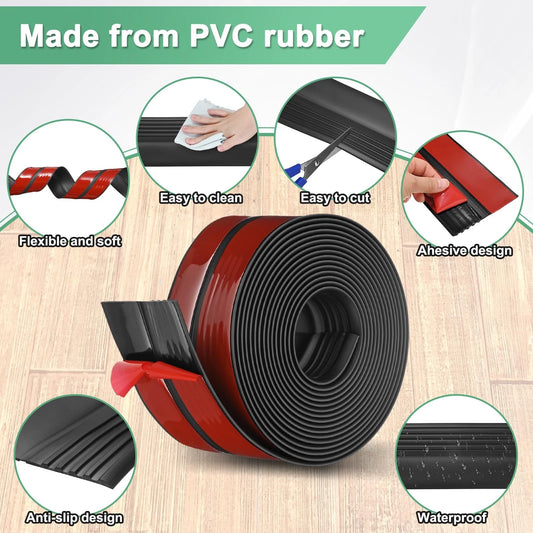
M Meterxity Stair Edge Trim 20Ft Vinyl Rubber Stair Nosing Non-Slip Self
20ft Length Multicolour Finish Vinyl Rubber Construction Non-Slip Self-Adhesive Stair Edge Trim Long Flexible Profile for Neat and Practical Stair Edge Finishing Flexible Stair Edge Protection for Longer Installations This 20ft vinyl rubber stair nosing is designed to provide a practical finishing profile along exposed stair and step edges. Its flexible construction makes it useful for projects where several individual stair treads need to be...Regular price £109.53Regular priceUnit price per -

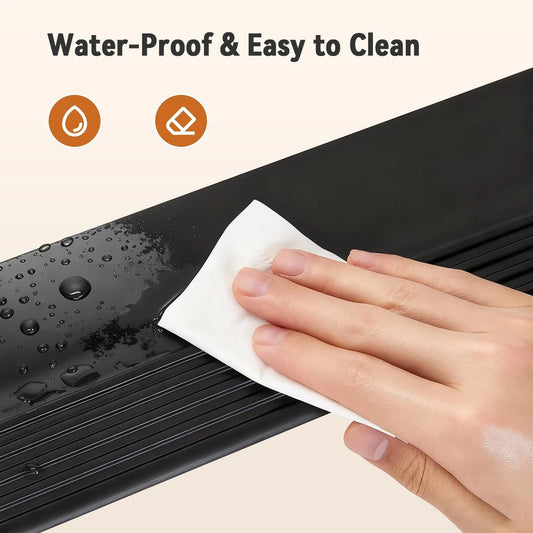
Inmozata Stair Edge Trim 20Ft 4 Inch Rubber Stair Nosing Vinyl Stair Edge
Black Finish Flexible PVC Material 20ft Continuous Length 4in Wide Stair Edge Profile Designed to Cover and Finish Stair Tread Edges Across Longer Installations Long-Length Stair Edge Coverage for Larger Projects This 20ft black PVC stair nosing is designed for staircase projects where a longer continuous profile is required. The extended length provides greater flexibility when several stair treads need to be covered, allowing sections...Regular price £132.40Regular priceUnit price per -

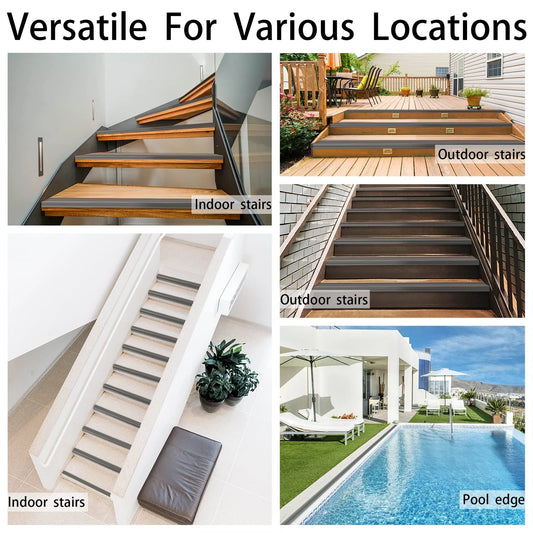
Rubber Stair Nosing - 7Ft Anti-Slip Adhesive Strip, 7Ft, Full Black
Full Black 7ft Length Grooved Rubber Surface Self-Adhesive Stair Edge Profile Suitable for Tile, Wood, Marble, Concrete and Glass Stair Edges Grooved Rubber Protection for Exposed Stair Edges This 7ft black rubber stair nosing is designed to cover exposed stair edges while providing a more textured surface at the front of each tread. The grooved construction creates additional surface definition compared with a completely smooth...Regular price £49.98Regular priceUnit price per -

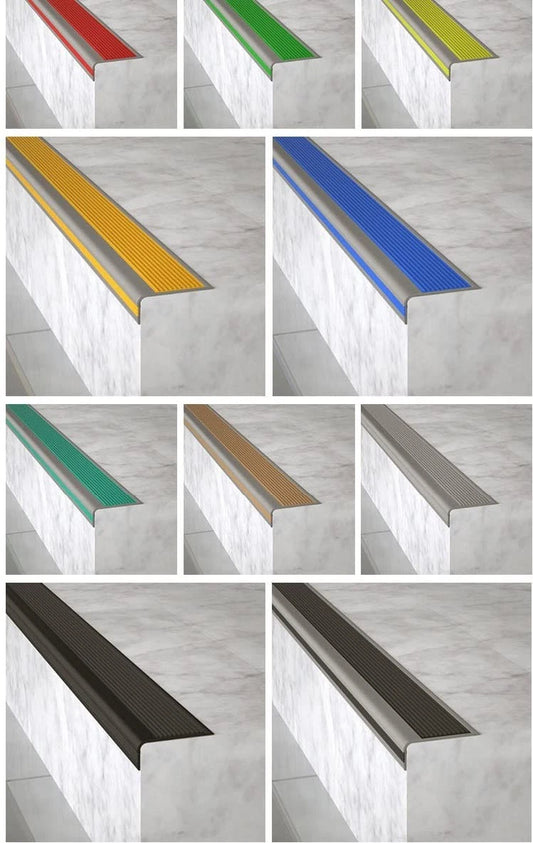
L-Shaped Stair Nosing Self Adhesive Rubber Stair Edge Protector Step Edge Trim
Black Finish L-Shaped Profile 6ft / 72in Length Self-Adhesive Rubber Stair Edge Trim Designed to Cover and Protect Exposed Stair Tread Edges L-Shaped Protection for Exposed Stair Edges This L-shaped stair nosing is designed to cover the front edge of a stair tread and provide a cleaner, more defined finish. The profile wraps around the horizontal and vertical sections of the step edge, making it...Regular price £56.05Regular priceUnit price per


Stair Edge Profiles for Rubber Flooring and Resilient Steps
Rubber-covered stairs need a nosing that works with the thickness, flexibility and surface texture of the flooring already in place. Sheet rubber, rubber tiles and heavier resilient flooring systems can all meet the tread edge differently, so profile depth and fixing method need to be checked before ordering.
The correct rubber flooring stair nosing should create a controlled transition at the front of the step without compressing the floor unnecessarily, leaving an exposed edge or introducing excessive height underfoot.
Rubber Flooring Thickness Changes the Required Nosing Depth
Rubber floors are available in several thicknesses, and that difference directly affects how the stair profile sits.
Thin sheet flooring may need a relatively compact edge profile, while thicker tiles or heavy-duty rubber systems require greater allowance between the tread surface and the front section of the nosing. Measuring the complete installed flooring rather than relying only on nominal product thickness gives a more reliable fit.
The flooring should meet the nosing neatly without being forced underneath a profile that is too shallow. At the same time, excessive depth can make the stair edge look oversized and create an unnecessary projection.
Once the finished floor height is known, the next decision is whether the nosing itself needs to be rigid or flexible.
Rubber Stair Nosing Material and Rubber-Floor Compatibility Are Different
The term rubber stair nosing can describe two different things: a nosing manufactured from rubber, or a profile designed to work with a rubber-covered staircase. These are not automatically the same product.
Where a flexible nosing material is preferred, the rubber stair nosing range allows buyers to compare profiles based on material construction. A rubber floor can also be finished with aluminium, PVC or another suitable nosing where the dimensions and installation method are compatible.
Keeping these two specifications separate avoids choosing the right material in the wrong size for the actual floor.
Non Slip Stair Nosing for High-Use Rubber Floors
Rubber flooring is often selected for areas that receive regular foot traffic, including workplaces, gyms, communal areas and commercial interiors. On these stairs, edge definition and secure fixing become especially important.
A non slip stair nosing should provide a stable tread-edge finish without relying on the rubber flooring itself for structural support. Where the profile includes an insert or textured surface, its position should remain consistent across the stair width and sit firmly over the underlying tread.
For projects requiring broader or more substantial coverage, the available stair nosing by profile options can help compare single-channel, double-channel, square-edge, ramped and other shapes after the rubber floor depth has been confirmed.
Traffic level matters, but the profile still needs to fit the floor correctly. A heavier commercial stair nosing is not automatically the right choice if its dimensions create a poor transition.
Nosing Strips for Stairs With Rubber Tiles and Sheet Flooring
The way rubber flooring reaches the stair edge affects which type of nosing strip will sit cleanly.
With sheet flooring, the material may terminate directly against or beneath the profile. Rubber tiles create individual joints and can produce a thicker floor build-up depending on their construction and installation method.
When comparing nosing strips for stairs, check how much horizontal tread coverage is provided and how far the profile extends down the front edge. These dimensions should suit the actual stair rather than simply covering as much rubber as possible.
If several floor types are being used across the same project, the wider stair nosing by floor type range helps keep rubber-floor profiles separate from products intended for carpet, vinyl, LVT, laminate or tile installations.
Fixing Stair Nosing Without Distorting Rubber Flooring
Rubber can compress under pressure, so the fixing method needs to secure the profile without relying on the floor covering as the main support.
Mechanical fixings should engage with a suitable substrate beneath the flooring, while adhesive installations need a clean and compatible bonding surface. Loose rubber, curled edges or contaminated areas should be corrected before the nosing is fitted.
Once the profile has been selected, appropriate stair nosing accessories can be matched to the actual installation so screws, adhesive or finishing components suit both the nosing and the stair beneath it.
Ordering Rubber Flooring Stair Nosing for UK Projects
Before purchasing, record the stair width, tread depth, front-edge dimensions and complete rubber floor thickness. Also note whether the flooring is sheet, tile or another resilient system and whether the staircase is new or already finished.
The final product should be selected by compatibility first, then by material, profile and appearance. This gives buyers a stronger basis for ordering stair nosing in the UK without having to alter the finished rubber floor around an unsuitable profile.
Frequently Asked Questions
What stair nosing is suitable for rubber flooring?
Select a profile that matches the complete rubber floor thickness, tread shape and fixing method. Sheet rubber and thicker tiles can require different depths, so measure the finished installation before ordering.
Is rubber flooring stair nosing always made from rubber?
No. Rubber flooring can be finished with aluminium, PVC, rubber or another compatible material. Floor compatibility and nosing material should be treated as separate parts of the specification.
How do I measure rubber flooring for stair nosing?
Measure from the structural tread to the top of the finished rubber surface. Include adhesive or other permanent layers so the profile matches the actual installed height rather than the flooring alone.
Can stair nosing be fitted over existing rubber flooring?
Yes, where the rubber is secure and the selected profile suits the finished depth. Loose edges, movement or damaged sections should be corrected before the new nosing is installed.
Is non slip stair nosing suitable for commercial rubber floors?
It can be, provided the product is appropriate for the expected traffic, stair dimensions and substrate. Commercial use should not replace the need for accurate profile sizing and secure fixing.
What profiles work with thick rubber tiles?
Thicker flooring generally needs a profile with enough depth to meet the tile cleanly. Compare the vertical and horizontal dimensions with the completed rubber floor before selecting the product.
Can aluminium nosing be used with rubber flooring?
Yes, if the aluminium profile matches the rubber thickness and stair geometry. The rigid profile should sit securely against the tread without excessively compressing the resilient floor covering.
Should stair nosing be screwed through rubber flooring?
That depends on the product and installation. Mechanical fixings normally need to engage with a suitable substrate beneath the floor rather than depending on the rubber itself for holding strength.
Can adhesive be used for rubber flooring stair nosing?
Some profiles support bonded installation. The adhesive must suit both the nosing material and the substrate, while the contact surface should be clean, stable and correctly prepared before fitting.
What should I check before buying rubber stair nosing online?
Confirm the rubber thickness, stair width, tread shape, profile dimensions, material and fixing requirements. These details help distinguish between products that merely look suitable and those that actually fit.
What Our Customers Says!
★
★
★
★
★
Excellent quality stair nosing with a perfect anti-slip finish. The product arrived quickly and was easy to install. It has made our staircase much safer, especially in high-traffic areas. Highly recommended.
James Wilson
Verified Customer
★
★
★
★
★
I purchased stair nosing for our home renovation project and was impressed with the quality. The finish looks great, feels durable, and provides excellent grip on every step.
Sarah Thompson
Verified Customer
★
★
★
★
★
We regularly use anti-slip stair nosing for commercial projects, and the quality has always been reliable. Strong materials, accurate sizing, and a professional finish make installation straightforward.
Mark Bennett
Verified Customer
★
★
★
★
★
A great solution for improving staircase safety. The stair nosing was exactly as described, well packaged, and delivered on time. The anti-slip surface gives extra confidence for everyone using the stairs.
David Roberts
Verified Customer
★
★
★
★
★
Fantastic product and service. The stair nosing looks smart and blends perfectly with our existing flooring. The added grip has made a noticeable difference.
Emma Collins
Verified Customer
★
★
★
★
★
High-quality stair edging with excellent durability. We installed these in an office building, and they have performed very well even with daily foot traffic.
Michael Harris
Verified Customer
★
★
★
★
★
Very happy with my purchase. The stair nosing was easy to fit, looks professional, and gives our staircase a much safer finish.
Olivia Parker
Verified Customer
★
★
★
★
★
Good range of stair nosing options and excellent product quality. The measurements were accurate, and the installation process was quick and hassle-free.
Daniel Foster
Verified Customer
★
★
★
★
★
The perfect finishing touch for our staircase. The anti-slip insert provides great traction while maintaining a clean modern appearance.
Rebecca Turner
Verified Customer